Picture crisp pine air, fresh snow on the deck, and trails minutes from your door. Now picture the right cabin to enjoy it without surprise costs or headaches. In Duck Creek Village, cabin style shapes your comfort, maintenance, and even rental potential. This guide breaks down the most common options, local rules, and practical checks so you can match a cabin to your goals with confidence. Let’s dive in.
Duck Creek basics to know
Duck Creek Village sits at about 8,400 to 8,500 feet on Cedar Mountain in Kane County, Utah. It is an unincorporated community near Dixie National Forest with easy access to Brian Head, Cedar Breaks, Bryce, and Zion. You get true four-season mountain living and a strong recreation draw for visitors and owners alike. Learn more about the location and elevation on the community’s Wikipedia overview.
Winters bring significant snowfall, especially late fall through winter. That affects how you heat, insulate, and access a home, and it adds routine snow removal to your to-do list. Review monthly patterns on Weather Atlas’ climate page to plan for roof loads, frozen-pipe prevention, and winter driving. Seasonal activities like hiking, fishing, ATV riding, snowmobiling, and skiing set buyer expectations and support rental demand, which you’ll see reflected across local cabin rental listings.
Cabin styles at a glance
Cozy rustic cabins
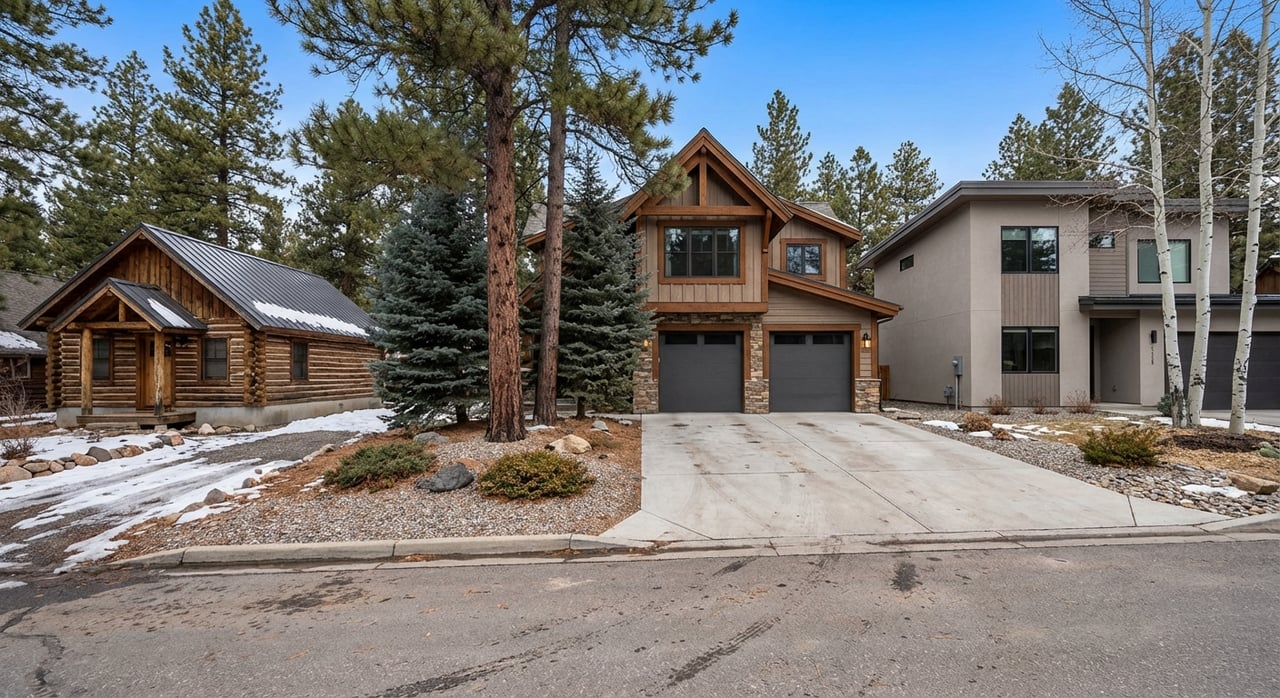
These are the classic Duck Creek escapes. You’ll see wood or half-log exteriors, simple single-level or loft layouts, 1 to 3 bedrooms, propane or wood heat, and small decks. They’re lower cost to buy and easier to keep as a weekend base.
What to expect: Plan for exterior stain and finish upkeep, routine winterization, and septic and well checks. Utah’s onsite wastewater rules outline design and care standards for septic systems, so confirm design and inspection history before you close. See the state’s Onsite Wastewater Program for details.
Best fit: You want a simple second home, prefer a smaller footprint to maintain, or you’re testing short-term renting where allowed.
Chalets and larger lodges
Think multi-bedroom layouts for groups, big view decks, game rooms, and sometimes hot tubs. These homes shine for family gatherings and for rental appeal during peak seasons. Larger space brings comfort and potential rental upside, with more systems to manage.
What to expect: Higher heating bills, larger septic capacity, hot-tub upkeep, and professional cleaning if you rent. Snow removal for long drives is a recurring line item. For a sense of how bigger homes are marketed to visitors, browse chalet-style features on local rental sites.
Best fit: You host large groups, want strong peak-season rental performance, or prefer spreading out for full-time living.
Contemporary custom builds
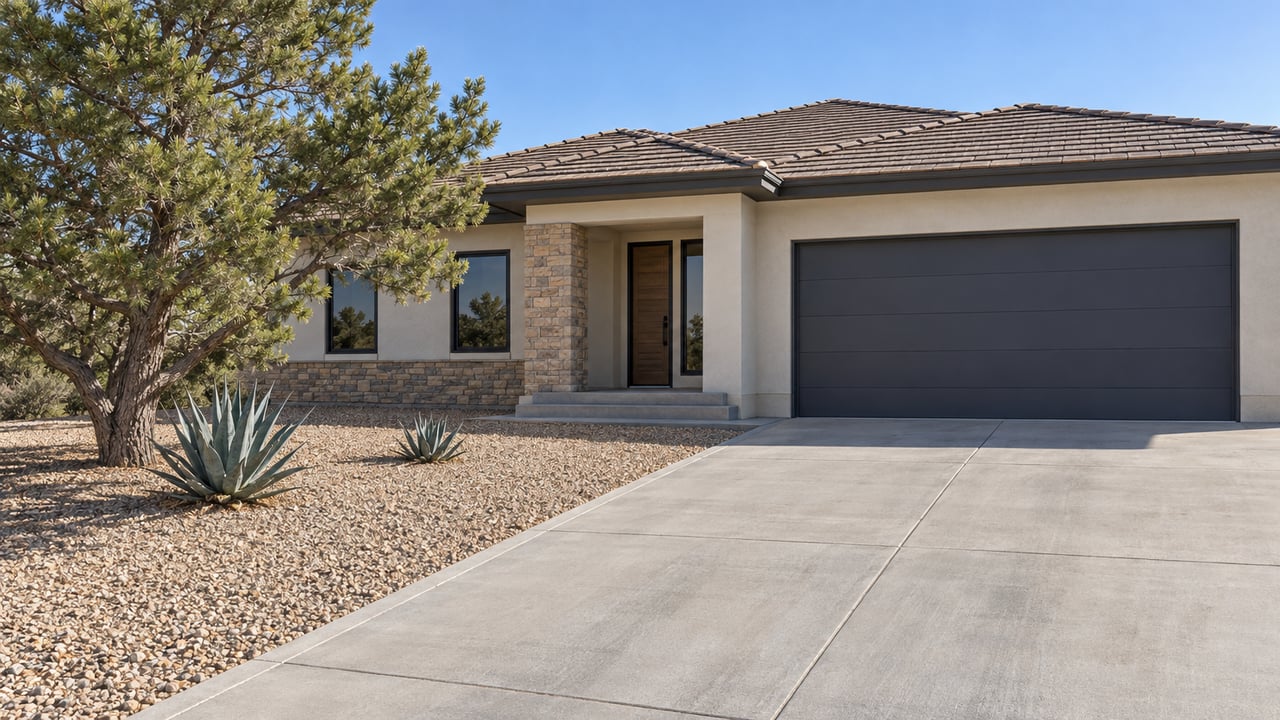
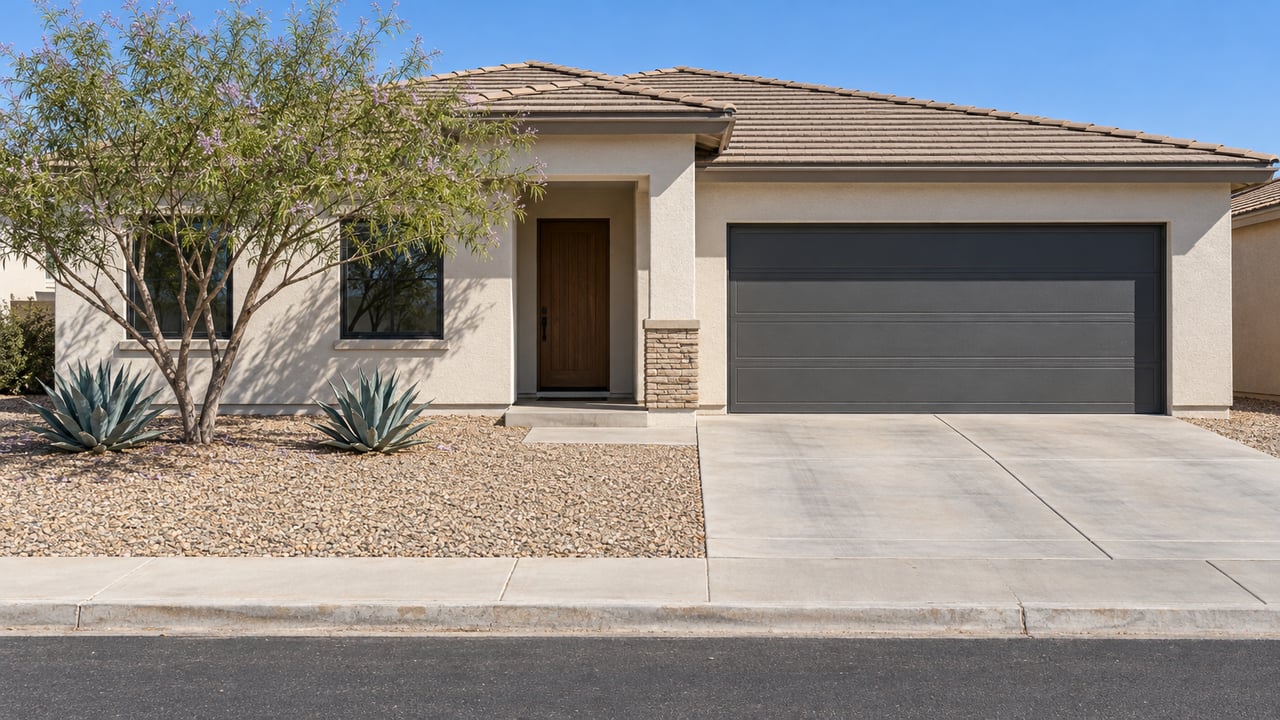
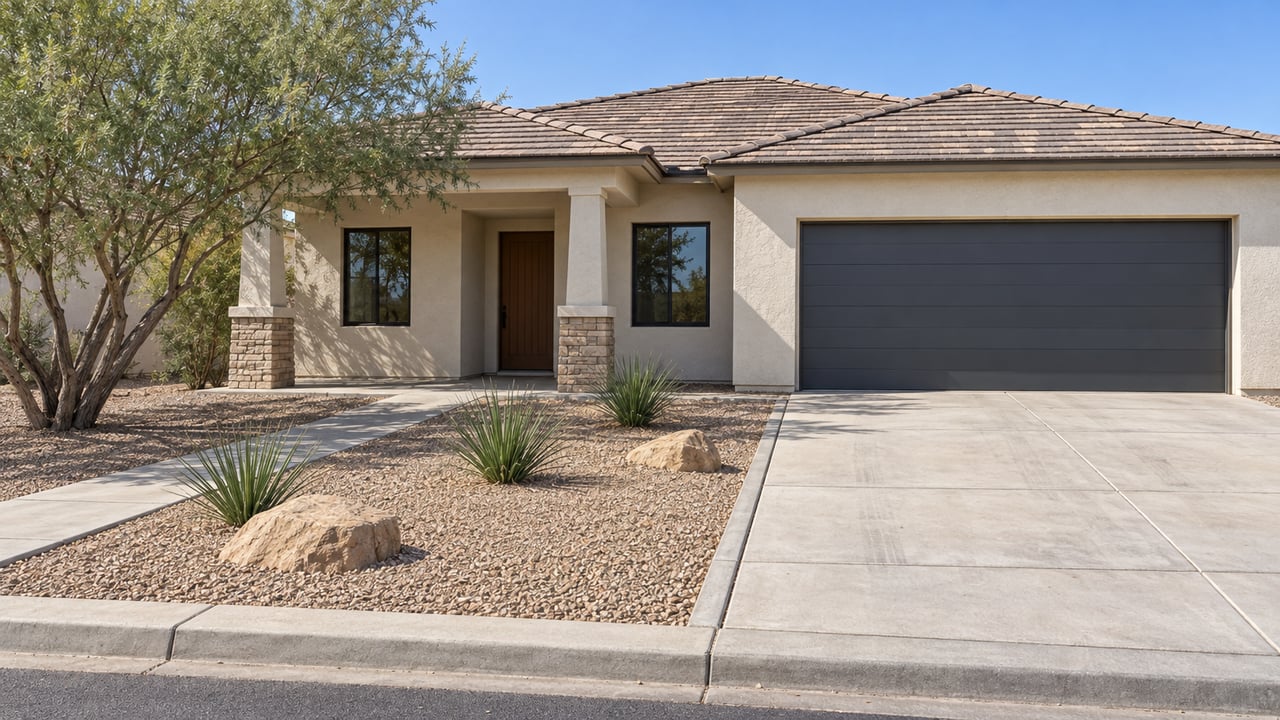
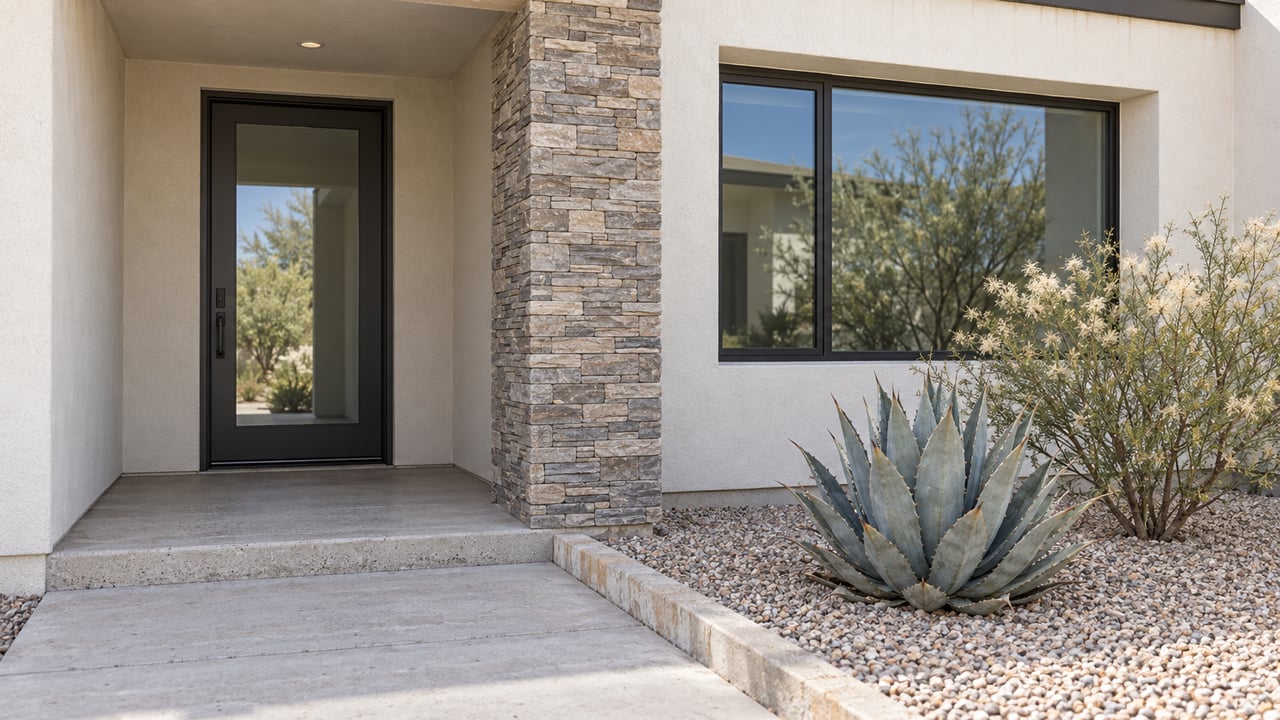
Modern cabins often bring better insulation, efficient HVAC, garages, and dedicated mechanical rooms. They’re designed for comfort and resilience in a high-elevation climate. Purchase price is typically higher, but routine upkeep can be lighter if the home was built to current standards.
What to expect: Fewer immediate projects, higher replacement costs if major systems fail, and closer alignment with HOA design rules where they apply. Many subdivisions have CC&Rs and architectural review. Review an example of community rules and ARCOM guidelines through the Duck Creek Ridge Owners’ Association.
Best fit: You want year-round livability, higher energy efficiency, and a home ready for longer stays or full-time use.
Ownership rules that matter
Duck Creek Village is unincorporated, so Kane County handles zoning and many permits. If you plan to rent short term, you must confirm zoning and follow the county’s licensing steps, including a state sales tax ID, state transient room tax registration, and a county business license. See the county’s Short-Term Rentals page for requirements.
Utah uses a Transient Room Tax framework. Kane County adopted a county TRT at 4.5% in 2025 under its ordinance. Rules can change, so verify current rates and collection procedures in the county code before you forecast income.
If you’ll live in the home full time, you may qualify for a primary residential property tax exemption that can reduce your taxable value. Second homes and vacation rentals typically do not qualify. Confirm deadlines and eligibility with the Kane County Assessor.
Utilities, access, and services
- Water and wastewater: Many cabins use private wells or water tanks and septic systems. Ask for well yield, water-quality tests, septic design, age, and recent inspection or pumping records. Utah’s rules and certification standards are outlined in the Onsite Wastewater Program.
- Trash and HOA services: Some neighborhoods use shared dumpsters rather than curbside pickup. Check CC&Rs and local guidance, like the Duck Creek Ridge HOA, for service details and community rules.
- Road access and winter: Highway 14 is the primary route. At this elevation, snow and occasional road impacts are part of life. Confirm whether subdivision roads are county maintained and how plowing is arranged. For office contacts and seasonal information, see the Dixie National Forest office page.
- Internet and cell: Coverage varies by lot. Satellite and fixed wireless are common; if remote work matters, test at the property. Check options by address using provider availability tools.
- Insurance and wildfire: Forested settings mean higher wildfire exposure. Many HOAs encourage Firewise-style mitigation and defensible space. Get quotes early and ask carriers about mitigation expectations for full-time or rental use.
Maintenance by style
Cozy rustic cabin
- Exterior care: Plan regular staining and checks for sun and moisture.
- Winterization: Protect pipes, manage heating fuel, and monitor crawl spaces.
- Systems: Simple setups, but verify septic tank age and well performance.
Chalet or large lodge
- Operating costs: Higher heating, utilities, and larger septic capacity.
- Rentals: Budget for turnover cleaning, hot-tub service, and guest support.
- Snow: Contract plowing for longer drives and plan for roof snow management.
Contemporary build
- Efficiency: Better insulation and modern HVAC often mean steadier bills.
- Upfront rules: Expect stricter HOA design and exterior material controls.
- Long-term: Fewer near-term projects if systems are newer and well maintained.
Quick buyer checklist
- Water and septic: Ask for well yield, water-quality tests, septic design, age, and pumping/inspection history. Review Utah’s Onsite Wastewater Program.
- Zoning and STR: Confirm allowed uses with Kane County and follow the county’s steps for licensing, taxes, and business registration on the Short-Term Rentals page.
- HOA and design: Request CC&Rs, ARCOM guidelines, and rules on parking, firepits, and quiet hours. See an example via Duck Creek Ridge HOA.
- Operating costs: Request recent invoices for heating fuel, electricity, water delivery, septic pumping, snow removal, and trash.
- Insurance: Get quotes for full-time and rental scenarios and ask about wildfire mitigation requirements.
- Internet and cell: Test at the property and confirm options with address-level availability.
- Taxes and licensing: If planning an STR, estimate sales tax, TRT, and license fees. Confirm current TRT rate in the Kane County code.
Match a style to your goals
- Weekend retreat: A cozy rustic cabin keeps costs and upkeep manageable. Focus on good winterization, a reliable heating source, and easy access to trails and Highway 14.
- Year-round living: A contemporary build with modern insulation, a garage, and strong mechanical systems gives you comfort through heavy snow and cold snaps.
- Rental-focused buyer: A larger chalet can attract group bookings during peak seasons. Run numbers with realistic cleaning, maintenance, tax, and licensing costs.
- Hybrid use: If you’ll split time and host guests, look for mid-size homes with durable finishes, simple access, and HOA rules that align with your plan.
If you want expert, hands-on help comparing neighborhoods, styles, and operating costs, reach out. You’ll work directly with a principal broker who knows Southern Utah and treats your goals like their own. Connect with Candy Morrison to start your cabin search the right way.
FAQs
What is Duck Creek’s elevation and why does it matter?
- The village sits around 8,400 to 8,500 feet, which means colder winters, more snowfall, and a greater need for insulation, heating efficiency, and snow management.
Are short-term rentals allowed in Duck Creek Village?
- Some areas allow them, but you must verify zoning and complete Kane County’s licensing and tax steps on the Short-Term Rentals page.
What should I know about septic and wells in this area?
- Many cabins use private wells and septic; request well tests and septic records, and review Utah’s Onsite Wastewater Program for standards.
How does winter snow affect access and upkeep?
- Expect routine snow removal, roof snow load planning, and winter driving on Highway 14. Confirm which roads are maintained and how plowing is handled each season.
Do most neighborhoods have HOAs and design rules?
- Many subdivisions have CC&Rs and design review that govern exteriors and uses. Ask for the documents early and review examples like Duck Creek Ridge HOA.
Is internet reliable enough for remote work?
- It depends on the lot and provider. Satellite and fixed wireless are common, so test at the property and check address-level options before you commit.