Your cabin has a septic permit. The subdivision's CC&Rs don't say a word about renting it out. You've never had a building inspector flag the roof. So can you list it on Airbnb this ski season?
As of January 2026, that question has a new wrinkle, and it's one that catches a lot of Duck Creek Village owners off guard. Kane County didn't replace the old approval process for vacation rentals. It stacked a new one on top of it. For a mountain community with no city hall of its own, that stack now runs four layers deep, and every layer is administered by a different office.
What Kane County Approved in January
The Kane County Commission approved new short-term rental registration rules for unincorporated parts of the county in January 2026, and the program has been rolling out through the summer. Property owners operating a rental in unincorporated Kane County, which includes all of Duck Creek Village, now have to pay a $200 initial registration and license fee, show proof of liability insurance, and pass a safety inspection before they can legally rent for stays of 30 days or less.
The county is running the registration and complaint system through a vendor called Azora Software, which handles identifying properties, sending notices to owners, and fielding a complaint hotline. By mid-August 2026, the county had sent registration notices to 37 known short-term rental owners, a number that will keep climbing as the software cross-references listings against county records.
A dwelling rented for 30 days or less now needs a county-issued license. Having a business license or a septic permit from years ago isn't the same thing.
This program exists because vacation rentals in Kane County have grown substantially over the past several years, and the county wants a way to track who's operating and hold them to safety standards, not just tax compliance. It's the kind of ordinance that's easy to miss if you bought your cabin before 2026 and haven't checked county announcements since.
The Approvals That Were Already There
Here's the part that surprises people: the county license is new, but it isn't the only thing you need. Before this program existed, Kane County already required a business license application signed off by two other offices: the Southwest Utah Public Health Department and the Kane County Building Department. Those sign-offs haven't gone away. They're still required, and the new registration layers on top of them.
The health department approval matters because almost every acreage home in Duck Creek Village runs on a private septic system, with well water or a shared community water system depending on the subdivision. A septic system sized for a family of four living there part-time isn't automatically approved for a rental that turns over guests every few days. That approval has to come from the health department, not the county's new rental portal.
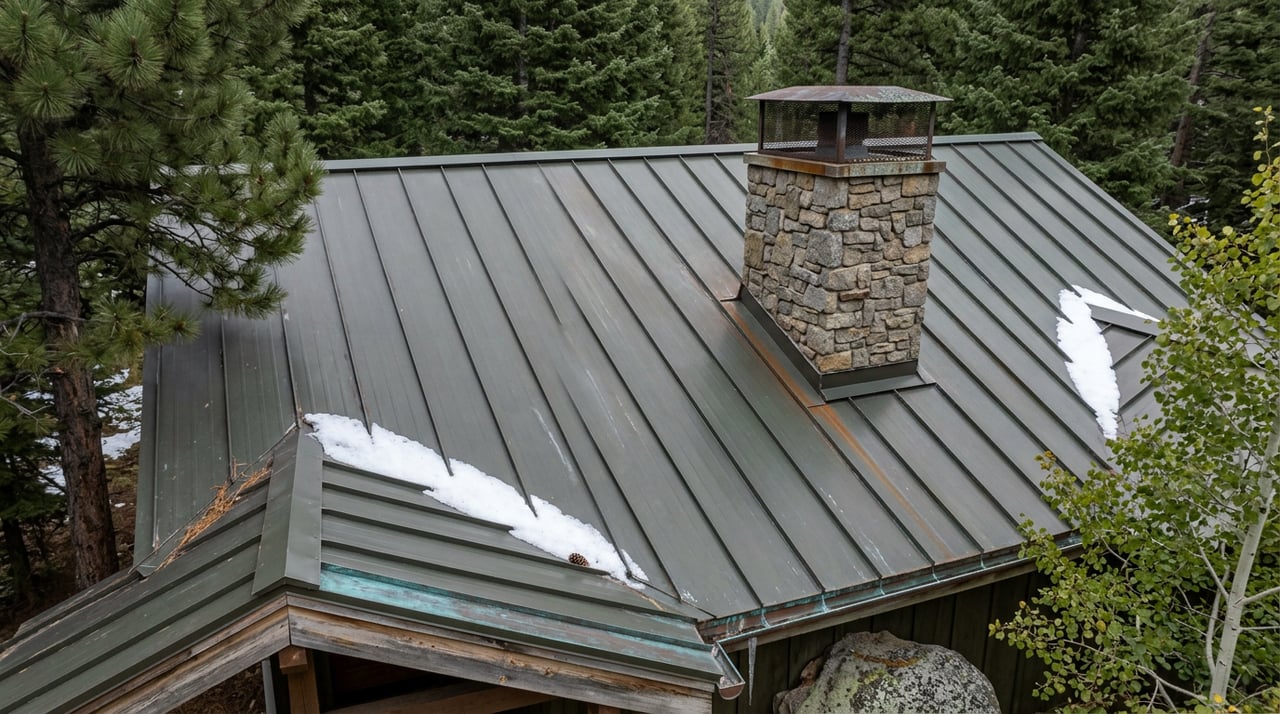
The building department layer is about the roof over your head, literally. Kane County's building office requires engineering review for any structure that isn't a standard "prescriptive" build at the local snow load, and Duck Creek's elevation of roughly 8,400 feet means snow load isn't a minor detail. If you've added a loft, converted a garage, or built anything custom, it's worth a call to the county building office to confirm what documentation is already on file for your specific structure, because that determines whether a routine safety inspection under the new STR program goes smoothly or turns into a longer conversation.
Zoning is the third piece, and it's the one the county is blunt about: officials have stated plainly that not knowing the zoning rules for your parcel isn't a valid excuse for violating them. Some zones in unincorporated Kane County allow vacation rentals outright. Others don't, or allow them only with conditions. That has to be checked property by property.
| Approval | Who Administers It | What It Confirms |
|---|---|---|
| STR registration and license | Kane County (via Azora Software portal) | Insurance, safety inspection, $200 annual fee |
| Septic approval | Southwest Utah Public Health Department | System capacity is adequate for rental use |
| Building and zoning sign-off | Kane County Building Department | Structure meets snow-load code, parcel is zoned for STR use |
| CC&R compliance | Your subdivision's HOA or covenant | No private restriction on rentals in your specific plat |
The Layer the County Doesn't Touch at All
Even a fully licensed, fully inspected cabin can still be a rental you're not allowed to run, because Kane County's approval has no authority over your subdivision's private covenants. Duck Creek Village Estates and Movie Ranch are two of the platted subdivisions in the area, and their CC&Rs already go further than county zoning on other matters. Both restrict horses and small livestock on acreage lots even though Kane County zoning is generally permissive for that use on parcels of an acre or more.
That's worth sitting with for a second. If a subdivision's governing document is specific enough to regulate whether you can keep a horse on your own land, it's reasonable to expect the same document has something to say about renting your cabin to strangers for a weekend, whether that's an outright ban, a minimum stay requirement, or an approval process through the HOA board. A county license doesn't override a private covenant. If your CC&Rs restrict or prohibit short-term rentals, that restriction stands no matter how clean your county paperwork is.
Why This Isn't a Paperwork Exercise
Duck Creek Village isn't a handful of quiet cabins where this rule will sit unused. It's an active, established vacation rental market. Local cabin-rental operators run dozens of properties between them, and hundreds of individual listings show up across the major booking platforms at any given time, ranging from one-bedroom getaways to lodges that sleep a dozen guests. This is a real business for a lot of owners, not a side hobby.
Operating without the required approvals carries real consequences under Kane County code. Illegally running a vacation rental is a Class C misdemeanor, punishable by fines up to $200 per day and, under Utah state law, up to 90 days in jail. That's a standing part of county code, separate from and in addition to whatever the new registration program adds. Owners who assume their old paperwork still covers them are taking on exposure they may not realize is there.
There's a tax piece too. Unincorporated Kane County short-term rentals collect and remit both Utah's state sales tax and the county's transient room tax, which together add up to roughly 9 percent of the nightly rate. That's separate from the licensing fee and doesn't change based on the new ordinance, but it's one more line item that trips up owners who haven't run a rental here before.
If You're Buying, Not Renting Yet
If you're looking at a Duck Creek cabin with an eye toward vacation rental income, don't take a "vacation rental allowed" tag on a listing at face value. That designation typically reflects zoning at best. It doesn't confirm the septic system has health department sign-off for rental use, that the structure has cleared building department review at current code, or that the specific subdivision's CC&Rs are silent on the question. Ask for documentation on all three before you factor rental income into your offer, and budget time for the county's own registration and inspection process before you count on income from day one of ownership.
A Few Quick Answers
Does a septic permit from the health department also cover my county STR license? No. They're separate approvals from separate offices. The health department signs off on system capacity. The county's new registration covers insurance, safety inspection, and the license fee itself.
Is Duck Creek Village part of a city that might have its own separate rules? No. Duck Creek Village is unincorporated, which means Kane County's rules are the only county-level rules that apply. There's no city planning department to layer on top, but there's also no city hall to walk into with questions. Kane County's offices are the only government point of contact.
What if my subdivision's CC&Rs never mention short-term rentals at all? Silence in a CC&R isn't the same as permission, and it isn't the same as a ban either. If your HOA's governing documents don't address rentals directly, get it in writing from the HOA board before you list, rather than assuming the absence of a rule means there isn't one.
Sorting out which of these four approvals you already have, which ones you're missing, and what a specific subdivision's covenants actually say is exactly the kind of legwork we do for property owners and buyers across Southern Utah, including in the mountain communities that don't fit the usual desert playbook. If you're weighing whether a Duck Creek cabin still pencils out as a rental under the new rules, or you want your equity position priced against real recent comps instead of a countywide median that can swing wildly month to month in a market this thin, River Creek Realty can walk through it with you. Request your free home valuation and we'll start with what's actually happening on your specific parcel, not the headline number.