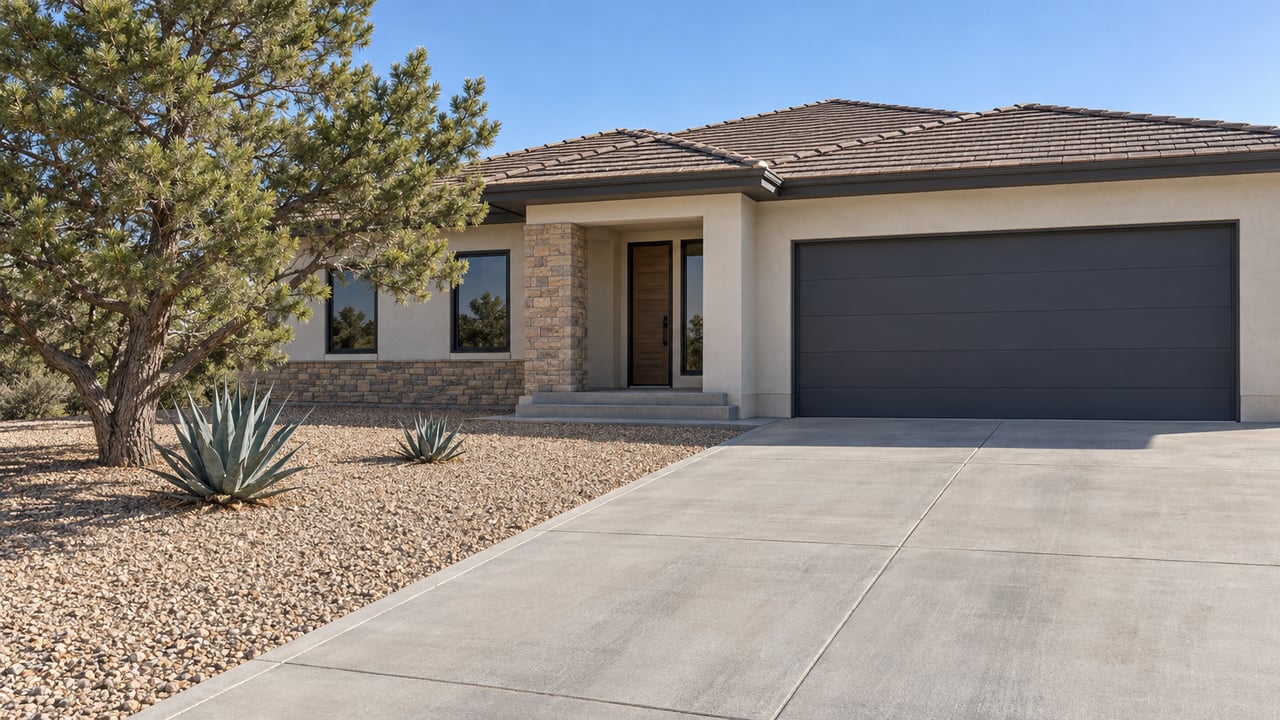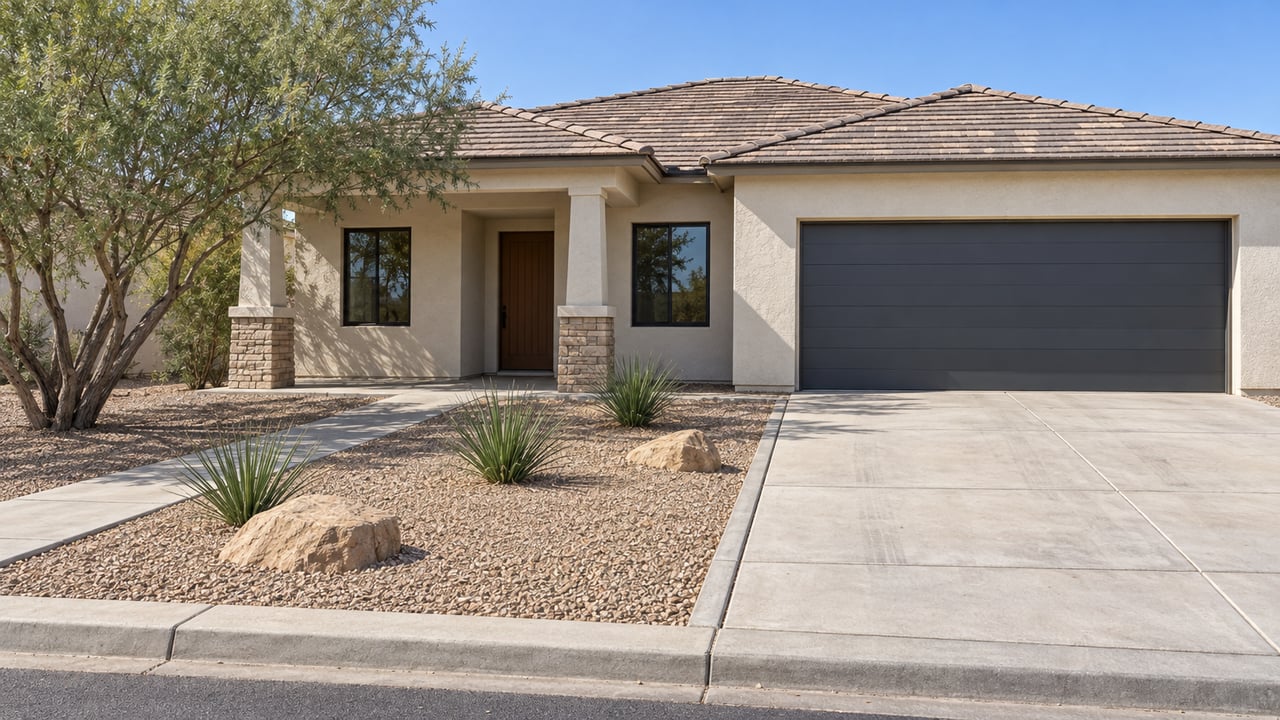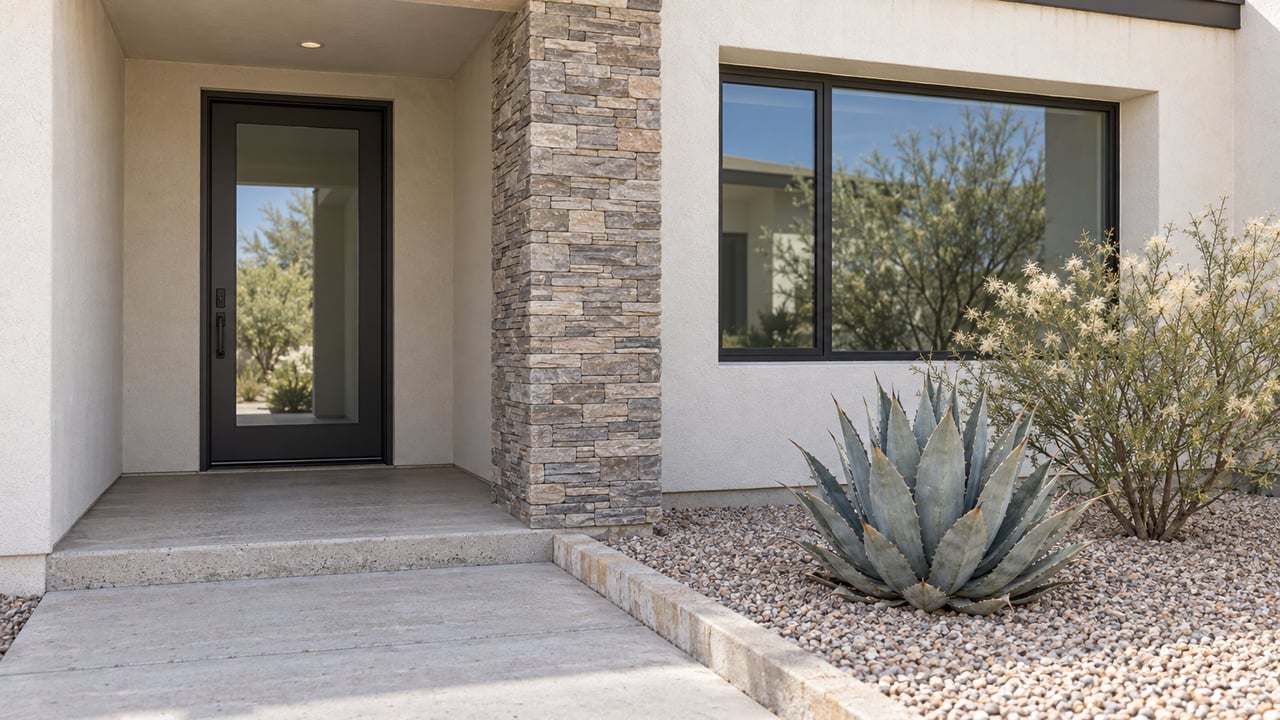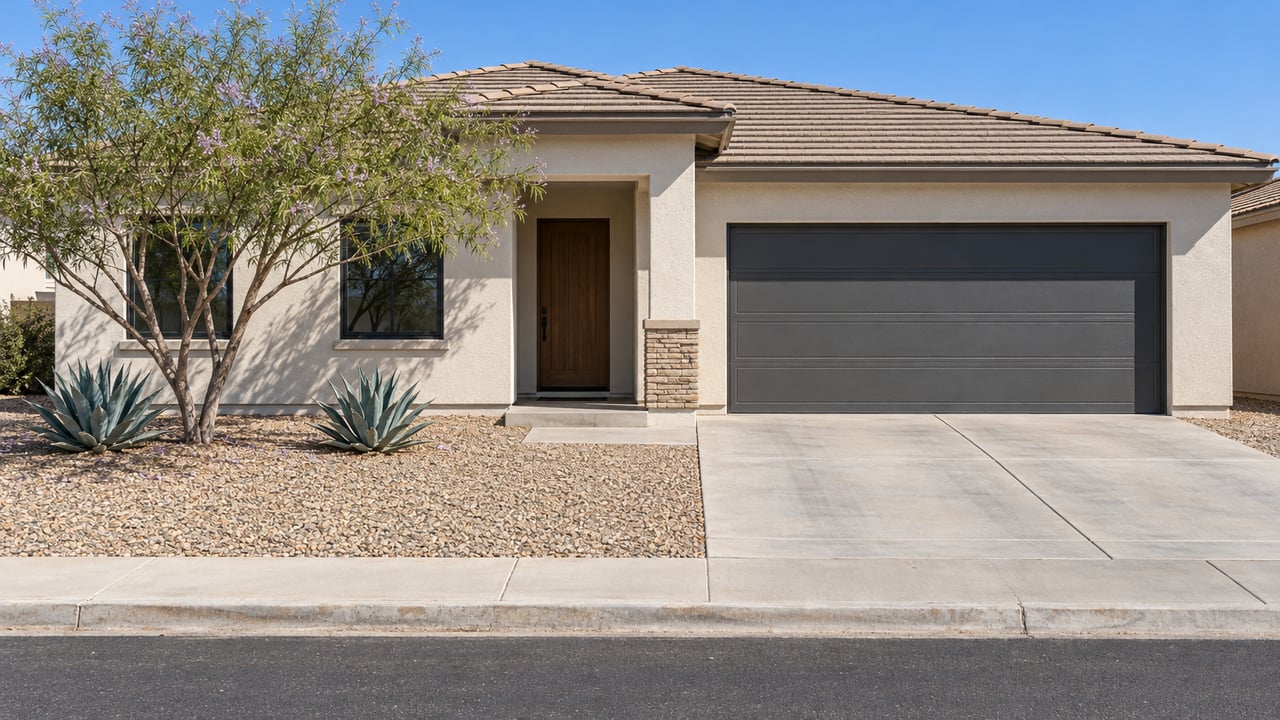
Santa Clara now has a zoning district built to produce smaller, less expensive single-family homes. It also has a deed restriction that decides who can buy each of those homes for the next ten years. On February 25, 2026, the City Council voted unanimously to approve Ordinance No. 2026-03, which added Chapter 17.62 to city code. The codified chapter names it the R-1-4 Single Family Residential Zone. Most coverage of starter homes talks about the purchase price. In this zone, the more important moment comes later, when the first owner tries to sell.
The covenant form the city prepared in June 2026 goes further than requiring owners to live in the home. It says each later buyer in the first decade must be income-qualified before title can transfer. That changes the value of these homes in a way a median price can't show. You pay less to get in because you have agreed to sell into a smaller market.
The Clause That Shows Up at the Resale Closing
The current code text sets the basic requirement. Chapter 17.62 states:
"Owner-occupied housing is intended for single-family homes in this zoning district. A deed restriction for ten (10) years is required for each single-family home to ensure owner occupancy, as well as CC&Rs that specifically address this requirement. This information is required as part of the subdivision review and approval process."
That paragraph doesn't mention income. The income rule comes from the covenant template in the June 10, 2026 council agenda packet. It describes each property as "constructed as an affordable housing unit." It then says "all subsequent owners of the Property must, prior to being permitted to purchase and/or acquire an interest in the Property, first be deemed as an income-qualified owner by NeighborWorks Mountain Country & Sun Country Home Solutions prior to the transfer of title of Property." The same draft says the property "shall not be used as a rental property."
Put those clauses together and a seller in this zone can't take the highest offer from just anyone. An investor's cash offer doesn't fit, because the home can't be rented. A buyer who wants a second home doesn't fit either. Under definitions presented at the same June meeting, a "secondary residence" is any dwelling not used as a primary residence, including vacation homes and short-term rentals. Even a buyer who plans to live there full time has to pass an income review first. The house can be appraised, listed and shown like any other. The list of people who are allowed to close on it is shorter.
The Clock Belongs to the House, Not the Owner
The second detail matters most to anyone buying one of these homes on resale. According to the June 10 work meeting minutes, the restriction lasts ten years "from the date of the first sale," with "no reset upon subsequent sales within that period." The council reached the same position at its May 13 work meeting: a later buyer stays bound only for whatever is left of the original term.
So the restriction gets shorter over time, and how much of it you take on depends on when you buy.
| When you buy | Restriction years you inherit | Who can buy from you during the term |
|---|---|---|
| From the builder at first sale | All ten | Income-qualified owner-occupants |
| Resale after year three | About seven | Income-qualified owner-occupants |
| Resale after year seven | About three | Income-qualified owner-occupants |
| Resale after year ten | None under the covenant's ten-year term | Any buyer the market brings |
This table follows from the "no reset" language. It doesn't come from any recorded deed, so a specific property's CC&Rs will control. Read with that caution, it shows how pricing could work. A home late in its term carries only a few restricted years and could reasonably sell closer to an unrestricted home. A home early in its term carries most of the restriction, and its price would likely reflect that. Two houses on the same street, built by the same builder, could be worth different amounts depending on how far each one's clock has run.
How the Rules Got Tighter Between May and June
The income clause was debated, and it could still change. At the May 13 work meeting, the council's consensus was to leave out the income limitation. Four weeks later, Planning Director Jim McNulty presented a revised deed restriction. He said several provisions "deemed too heavy-handed" had been removed, but income qualification was still in the document.
The minutes give the reason. Councilman Caplin again said he preferred to drop income qualification and limit the restriction to owner occupancy. Councilman Pond and others answered that keeping the income component, even in a simpler form, keeps the city in control locally ahead of possible state legislation that could impose stricter affordable housing mandates. Put simply, the income test is partly there to protect the city's position on future state rules. It isn't only a feature of the housing.
Three more details from that meeting affect how the program would work for owners:
- Income is checked once. McNulty said owner-occupied buyers qualify before purchase only, with no yearly re-check like HUD rental programs require.
- Some absences are allowed. Military service, church or missionary service of up to three consecutive years, and similar situations approved in advance don't end primary-residence status. A returning owner must then live in the home at least six consecutive months before another absence can be approved.
- Joint purchases aren't banned outright. McNulty said the city can't easily stop families from buying together. The primary-residence definition requires at least one owner to live in the home.
The definitions still need a formal code amendment brought back to the council. The deed restriction document itself is an administrative form that staff can start using right away. Someone has to pay for watching all of this. The estimated cost moved from $100 per file in February, to a May proposal of $125 per unit per year totaling about $1,370 over ten years, to roughly $1,200 per home over the full term in the June discussion.
Why the Zone Needed Size Rules to Deliver Lower Prices
The lot rules alone explain only part of the lower price. The R-1-4 district allows 4,000-square-foot minimum lots and 45-foot widths, with up to eight units per acre on infill properties of five acres or less. During the January planning discussion, staff warned that small-lot homes elsewhere without size limits were still selling for $500,000 to $600,000. A small lot doesn't make a starter home if a builder fills it with a large house.
Santa Clara added controls on the house too. The February minutes list a 20-foot maximum garage door width. They also set a minimum of 750 square feet on the main floor for single-story homes, with at least 500 more square feet upstairs for two-story homes. The narrow garage cap keeps these from becoming three-car-garage homes on small lots. The deed restriction then keeps whatever discount results tied to owner-occupants instead of going to investors.
Staff said local home builders and housing-action groups had encouraged small-lot single-family zoning as a route to more affordable housing. Staff named DR Horton, Fieldstone Homes and Sullivan Homes as builders of this type of product. None of them was named as the builder of a Santa Clara R-1-4 project.
Where It Stands Heading Into November
In the January 8 planning discussion, a parcel of just under two acres at the corner of Arrowhead and Lava Flow was named as a likely first project once the zone was adopted. No developer, home count or price was attached to it. Until a first R-1-4 subdivision is approved and its CC&Rs are recorded, the June covenant draft is the best guide to the terms, and the income clause is the term most likely to keep changing.
This program is also separate from Quail Crossing at Desert's Edge. St George News reported that it broke ground at North Town Road and 400 East with a 60-apartment first phase, called it the city's first income-restricted affordable rental development, and said Phase 1 is planned for completion in summer 2028. Quail Crossing is rental housing. R-1-4 is for owners.
Quick Answers
Does the restriction apply to every home in Santa Clara? No. Chapter 17.62 applies it to each single-family home in an R-1-4 subdivision.
Could an owner rent the home as a short-term rental? The June covenant draft bars rental use, and the proposed definitions count short-term rentals as secondary residences.
Does a cash buyer avoid the income check? The council raised this exact case in February, using empty nesters buying with cash as the example. McNulty answered that the zone is meant for affordability and starter homes, and that other zones exist for other housing types. The June draft's wording applies to all subsequent owners, with no exception for how they pay.
This post reports what Santa Clara's code and council records say. It is general information, not legal, tax or financial advice, so confirm how any recorded deed restriction applies to you with a real estate attorney or lender before you sign.
If an R-1-4 home in Santa Clara is on your list, the CC&Rs and the date of the first sale matter as much as the asking price. Candy Morrison at River Creek Realty can pull the recorded documents with you and work out how many restricted years come with the house. If you already own nearby and want to see how your home's value compares to these new rules, request your free home valuation.