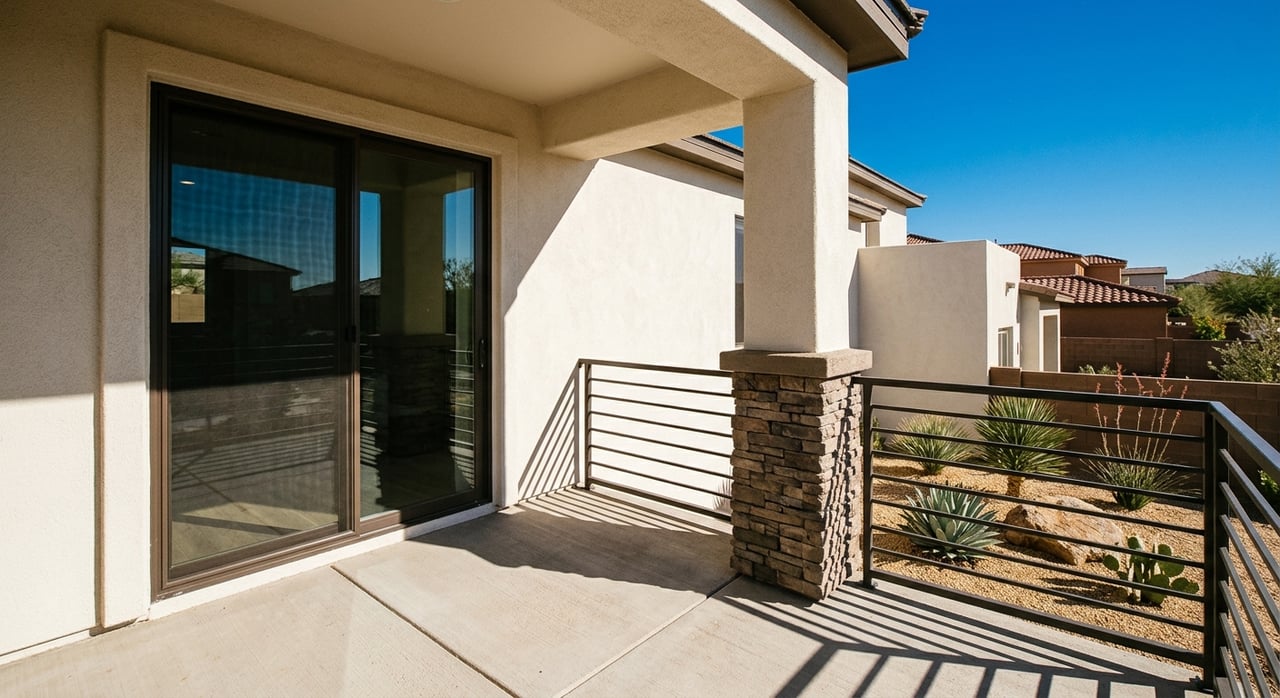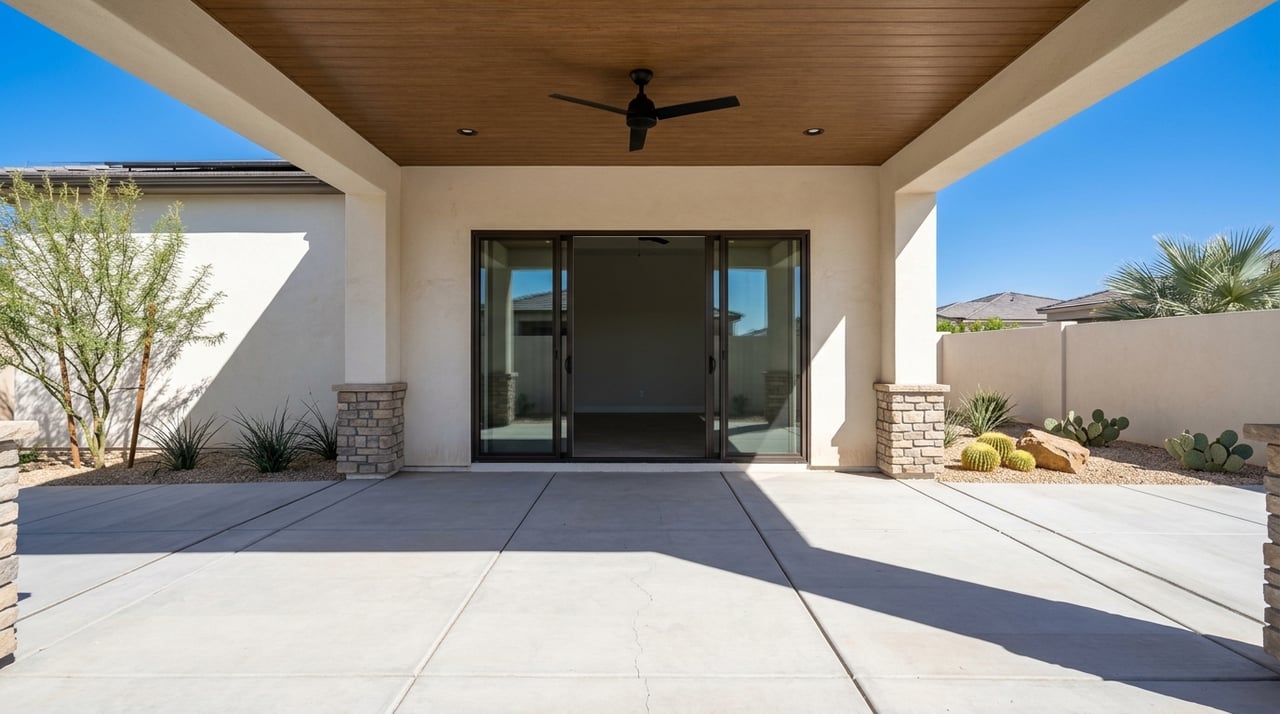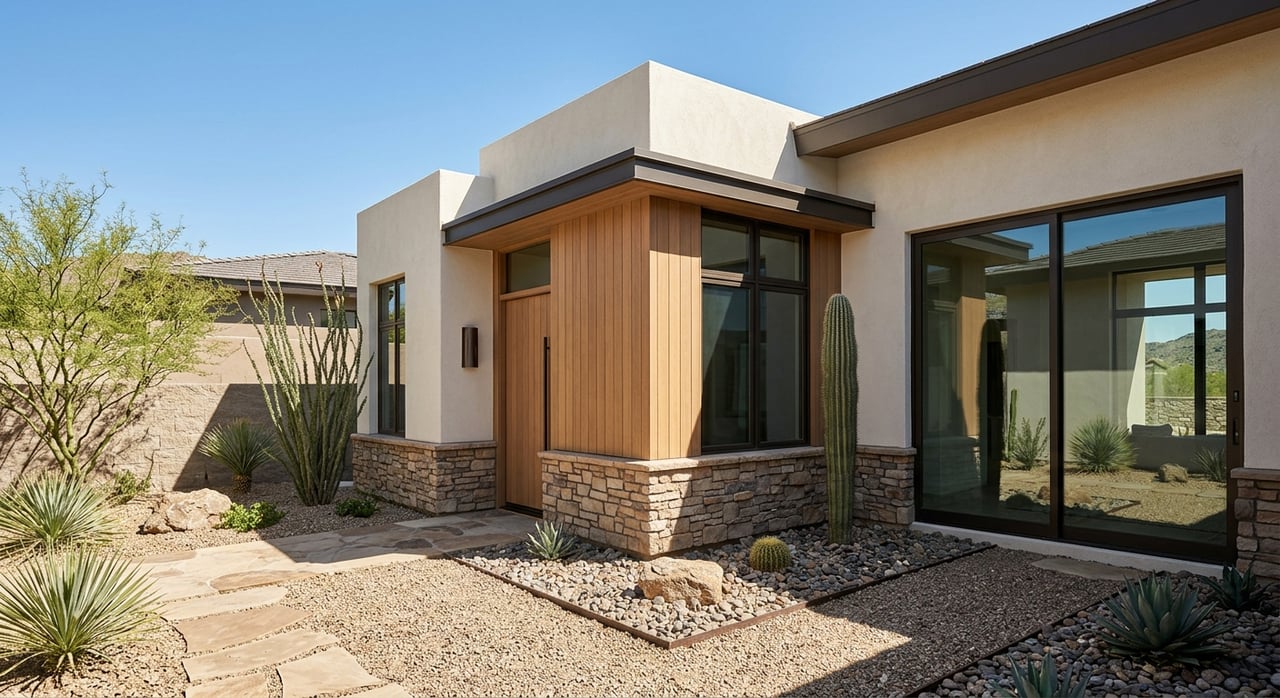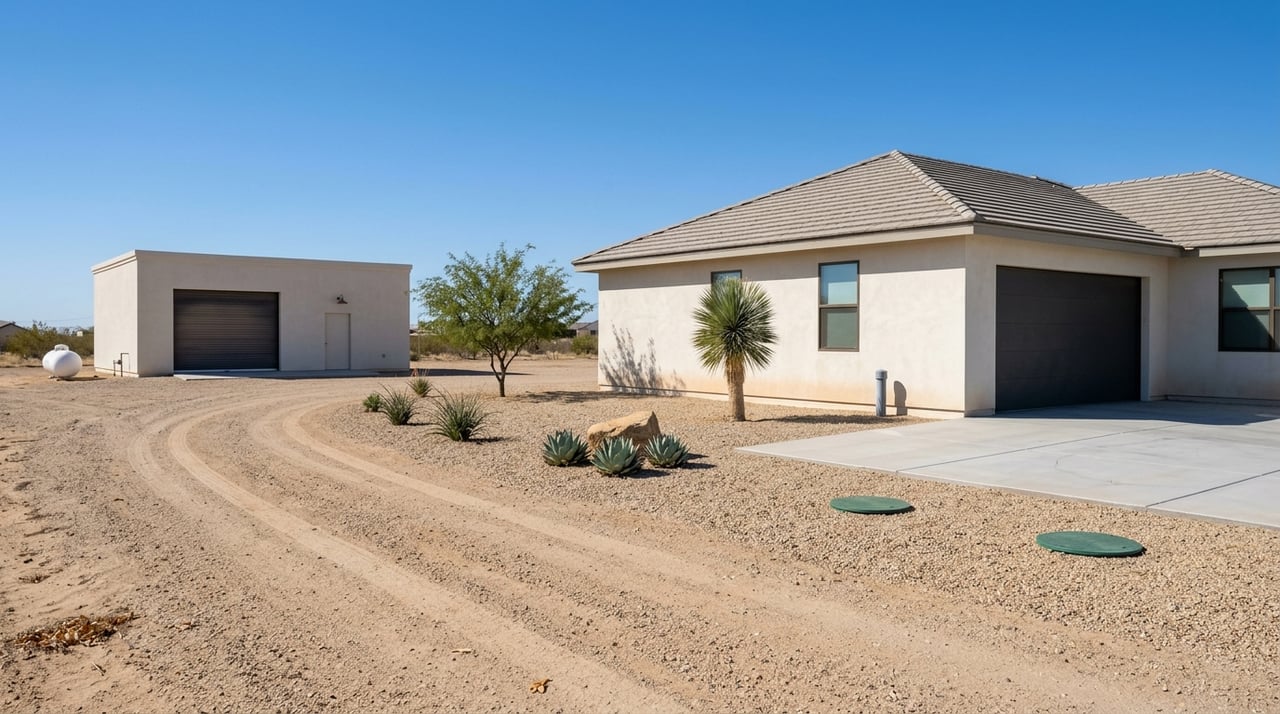
If you picture rural living as complete freedom with no rules, Toquerville may surprise you. This small Washington County community offers open views, larger lots, and a quieter pace, but day-to-day life still comes with local zoning, water, utility, and property upkeep details that matter. If you are thinking about buying here, understanding those details can help you choose the right home and avoid costly assumptions. Let’s dive in.
Rural Living Looks Different by Parcel
One of the biggest things to know about rural living in Toquerville is that it is not defined by looks alone. A property may feel rural because it has land, space between neighbors, or mountain views, but the actual rules depend on the parcel’s zoning and approvals.
Toquerville’s general plan includes open-space/agricultural, residential, mixed-use, commercial, and master-planned areas. It also notes that open-space and agricultural areas may include large-lot residential, open space, and agricultural-related uses, with lot minimums ranging from one-half acre to 50 acres in some cases. Just as important, the general plan is only a guide, and the City Council has discretion on exact zoning decisions.
That means you should not assume a large lot automatically gives you agricultural rights. The city code shows that agricultural districts such as A-0.5 and A-1 allow uses like crop production, family food production, home occupations, livestock, household pets, and public utility uses. Other properties that look rural may actually fall into single-family residential districts like R-1-12, R-1-15, or R-1-20.
Zoning Matters for Animals and Hobby Use
If your dream includes chickens, livestock, or a small homestead setup, zoning deserves extra attention before you buy. In Toquerville, livestock is permitted in agricultural zones, but in single-family residential districts it is only allowed as a conditional use.
The city also has specific rules for chickens. A property needs at least 12,000 square feet, roosters are prohibited, and the maximum is 20 chickens on a qualifying lot. On residential properties, the city uses an animal-point system, which means even a spacious lot may still have limits on what animals you can keep.
For buyers, the practical lesson is simple: ask what the property is zoned for, what uses are allowed today, and what would require additional approval. This is especially important if the land is a major reason you are interested in the home.
Utilities May Feel More Conventional Than You Expect
A rural setting does not always mean fully off-grid or private utility service. In Toquerville, many homes still use standard city utilities even when the neighborhood feels more spread out and country-like.
The city utility bill may include culinary water, sewer, trash, and stormwater services. The city also offers online bill pay and EyeOnWater monitoring for compatible meters, which can help with leak detection if you have internet access.
For many buyers moving from a more suburban area, this can be a benefit. You may get the space and quieter setting you want without giving up familiar utility systems. Still, it is wise to confirm exactly which services a specific home uses before you move forward.
Water Use Is a Bigger Part of Daily Life
Toquerville is a high-desert community with hot, dry summers, so water management is a real part of rural living here. The city’s water information says the public system uses groundwater from Toquerville Spring and the Washington County Water Conservancy District, and city materials also note that spring water is used for culinary and irrigation needs.
That matters because outdoor watering and landscape planning can affect both your routine and your budget. If you are buying a property with a larger yard, extra landscaping, or room for gardening, you will want to understand how irrigation works at that address.
The city also has watering restrictions for culinary water. Even-numbered addresses may water on Tuesday, Thursday, and Saturday from 6 p.m. to 2 a.m. Odd-numbered addresses may water on Monday, Wednesday, and Friday from 6 p.m. to 2 a.m. Sunday watering is prohibited, and separate schedules apply in agricultural and irrigation zones.
Private Wells and Springs Need Extra Review
Some rural-feeling properties may rely on a private well or spring rather than city water. If that is the case, your due diligence should go a step further.
According to Utah’s Division of Drinking Water, private water supplies are not regulated by the division, and local health department rules may apply. By contrast, community water systems must provide a Consumer Confidence Report each year, which gives buyers on city water a useful document to request and review.
In plain terms, city water and private water can come with different responsibilities. If a home is not connected to the public system, you will want clear answers about the source, maintenance, and any local requirements tied to that water supply.
Septic and Sewer Are Major Rural Checkpoints
For homes with a more rural setup, wastewater service is one of the most important things to verify. You should never assume a parcel can use sewer, septic, or connect later without checking the local process.
The Southwest Utah Public Health Department states that wastewater in Utah must be disposed of through an approved sewer system or onsite septic system. Before septic design begins, soil and percolation testing must be completed, and state regulations require a certified individual or engineer to handle that testing and design.
For single lots and parcels in Washington County, the Washington County Water Conservancy District reviews the application to confirm septic-density requirements, then coordinates with the Southwest Utah Public Health Department for the septic permit. After the permit is issued, additional paperwork goes back to the district before final certification is taken to Washington County Community Development for the building permit.
Ash Creek Special Service District is the sewer provider for Toquerville, along with Hurricane and La Verkin, and it also oversees septic density for the eastern half of Washington County. If you are considering vacant land, new construction, or a property with unusual utility arrangements, this is one of the first local authorities to verify.
Access and Easements Deserve a Closer Look
Rural properties often come with more moving parts than a standard subdivision lot. In Toquerville, that can include access questions, lot lines, easements, and whether any changes to the property will need local review.
The city’s Planning and Zoning Department handles development applications and land-use coordination. The city also notes that its online code is for general reference only and may not include the latest amendments, which is another reason buyers should confirm current requirements directly when a property has unique features.
City forms include encroachment permits, lot-line adjustments, zone changes, and requests to vacate a street. For buyers, that is a reminder to verify how you legally access the property, where boundaries are understood to be, and whether any planned changes could trigger a permitting process.
Rural Living Often Means More Hands-On Upkeep
A more rural lifestyle in Toquerville can be rewarding, but it usually comes with more owner involvement. Larger lots, outdoor space, and flexible-looking land often mean more time spent on irrigation, landscaping, maintenance, and compliance with local schedules and rules.
If you plan to add structures, change the layout of the land, or expand how you use the property, you may need to coordinate with city or county staff first. The Building Department handles permits, plan review, inspections, and code enforcement, and the city’s ordinance list includes a Wildland Urban Interface Building Code, which points to fire-aware building standards in the local environment.
The city also notes that secondary, untreated water is used for outdoor landscaping and irrigation. That is one more reason to think through landscape design and water use early, especially if you are buying a property with more land than you have owned before.
What Buyers Should Ask Before Buying
If you are serious about rural living in Toquerville, a few smart questions can help you avoid surprises later. These are especially helpful if you are relocating from out of state or moving from a more typical suburban neighborhood.
- What is the exact zoning for this parcel?
- Are livestock, chickens, gardening, or home-based uses allowed here?
- Is the home on city water and sewer, or on a private well, spring, or septic system?
- What utility services are billed by the city?
- What watering schedule applies to this address?
- Are there any access, easement, or lot-line issues to verify?
- If I want to add a shop, fence, guest structure, or other improvement, what approvals would I need?
These questions can quickly tell you whether a property matches the lifestyle you actually want, not just the one you imagine from the listing photos.
Why Local Guidance Matters in Toquerville
Buying a rural or semi-rural property is often less straightforward than buying in a standard neighborhood. The setting may feel simple and peaceful, but behind the scenes, zoning, utility setup, water use, septic rules, and permit pathways can all shape your experience as an owner.
That is why local guidance matters. When you work with someone who understands Washington County and knows which local offices and districts to check, you are better positioned to buy with confidence and choose a home that truly fits your plans.
If you are exploring Toquerville and want clear, broker-led guidance on homes, land use questions, or what to look for in a rural property, reach out to Candy Morrison. You will get straightforward advice, local insight, and hands-on support from search to closing.
FAQs
What does rural living in Toquerville usually mean?
- In Toquerville, rural living often means larger lots, open space, and a quieter setting, but the exact use of a property depends on its zoning, utility setup, and local land-use rules.
What should buyers know about zoning in Toquerville?
- Buyers should know that a property that looks rural may still be in a single-family residential district rather than an agricultural zone, so allowed uses for animals, gardening, or structures can vary by parcel.
What are the chicken rules for residential property in Toquerville?
- To keep chickens on a qualifying residential property in Toquerville, the lot must be at least 12,000 square feet, roosters are not allowed, and the maximum is 20 chickens.
What utilities are common for homes in Toquerville?
- Many Toquerville homes use city services for culinary water, sewer, trash, and stormwater, even when the property feels more rural.
What should buyers know about water use in Toquerville?
- Buyers should expect water management to be part of daily life because Toquerville is a high-desert community with hot, dry summers and local watering schedules for culinary water.
What should buyers know about septic systems in Toquerville?
- Buyers should verify septic eligibility and permitting through the local process, because septic design requires soil and percolation testing and review by local authorities before approvals are issued.
Why is access verification important for rural property in Toquerville?
- Access verification matters because rural parcels may involve easements, lot-line questions, or permit-related issues that are less common on standard subdivision lots.