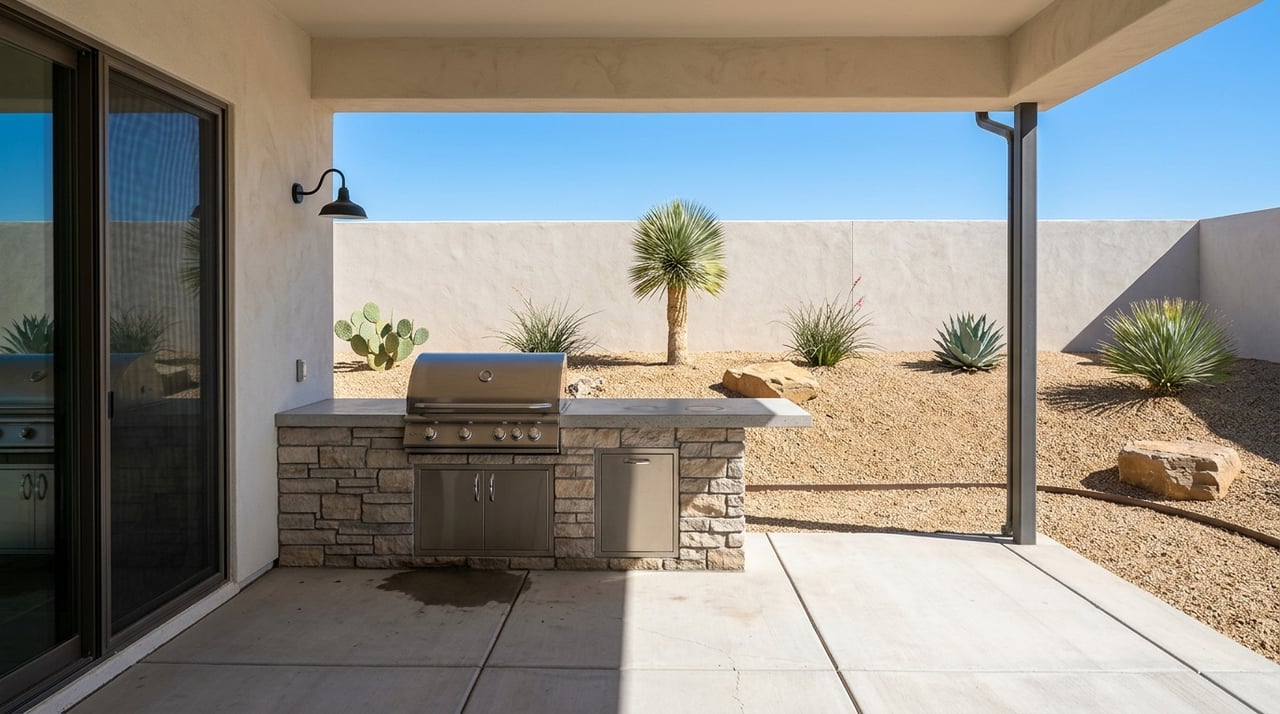
If you love the idea of an inviting backyard but worry about heat, upkeep, or water use, you are not alone. In Santa Clara, outdoor living needs to work with desert conditions, not against them. The good news is that the right layout, shade, and plant choices can help you create a space that looks beautiful and feels usable through more of the year. Let’s dive in.
Why Santa Clara outdoor spaces need a local approach
Santa Clara’s climate shapes almost every outdoor design decision. Nearby St. George climate normals show an average July high of 101.9 F, an average January low of 28.4 F, annual precipitation of 9.31 inches, and annual snowfall of 1.2 inches.
That means your yard has to handle intense summer sun, limited rainfall, and occasional winter cold. A plan that works well in a milder or wetter area may feel expensive, hard to maintain, or simply uncomfortable here.
Santa Clara also has a strong local focus on water conservation. The city’s water conservation plan notes that outdoor water use has historically been higher than indoor use, partly because of larger lots and a strong interest in landscaping and gardening.
At the same time, xeriscape has become a major part of how outdoor spaces are designed in newer developments. Washington County Water Conservancy District also reports a 50% reduction in per capita water use since 2000, which shows how important water-wise choices have become across the area.
Start with shade and comfort
In Santa Clara, shade is not just a nice extra. It is often the feature that makes an outdoor space usable during the hottest months.
If you want to spend more time outside, begin by thinking about where the sun hits your patio, seating area, or dining space in the afternoon. Covered patios, pergolas, and awnings can help reduce direct sun and make a backyard feel like an extension of your home.
A simple way to plan is to think in zones:
- A shaded seating area for relaxing
- A dining area near the house
- An open area for flexible use
- Planting beds that soften the edges
This layered approach works well for many Santa Clara homes, especially where you want a yard to feel welcoming without adding too much maintenance.
Check structure rules before building
If you are thinking about a patio cover, awning, or detached shade feature, make sure you treat it like a real home improvement project. In Santa Clara’s R-1-10 zone, awnings and patio covers require a building permit.
Small accessory structures under 200 square feet may not require a permit only if they do not include power, plumbing, or HVAC. The city also requires accessory structures to stay out of required front-yard setbacks and use finish materials that blend with the primary home.
That matters if you are picturing a detached pergola, outdoor kitchen cover, or freestanding grilling area. A design that looks seamless with your home often has a better long-term impact than something that feels added on later.
Choose landscaping that fits the desert climate
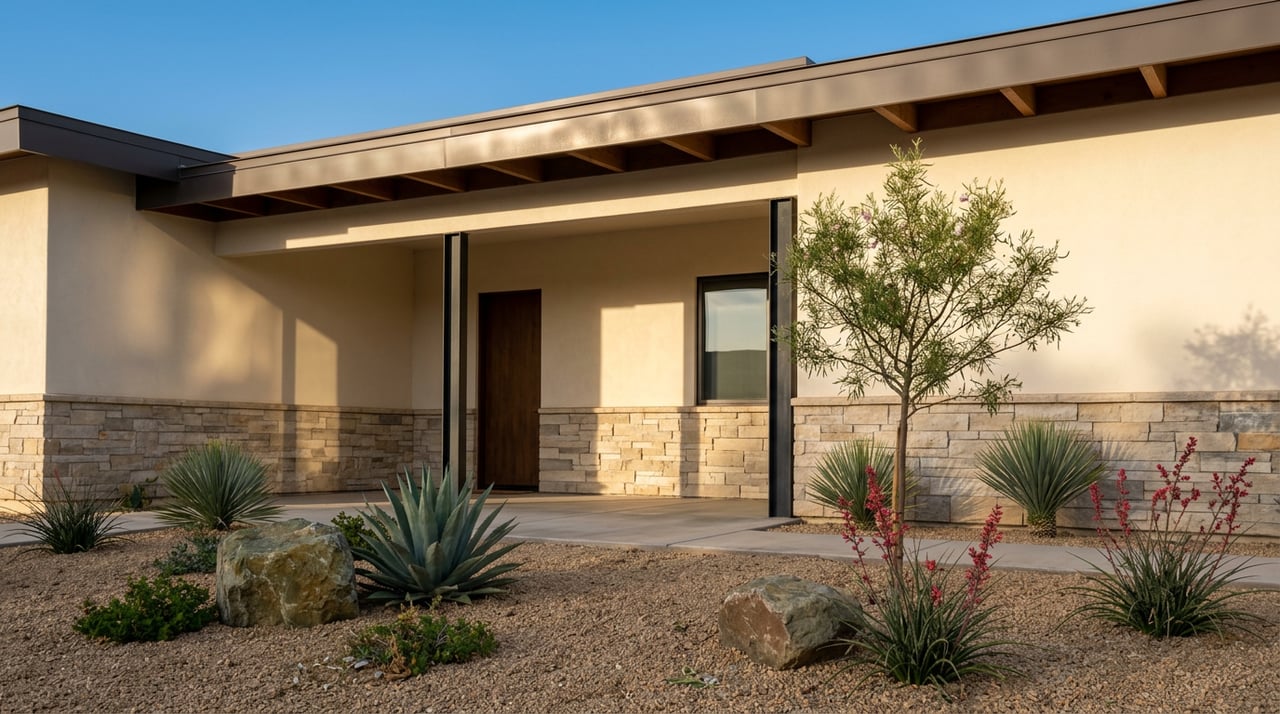
A Santa Clara yard does not need large lawn areas to feel finished. In fact, many of the most appealing outdoor spaces in Washington County use water-efficient landscaping, climate-appropriate plants, and shade structures to create comfort and visual interest.
The county’s conservation gardens offer a strong local example of this approach. They show that a desert landscape can still feel lush, usable, and welcoming without depending on high-water turf.
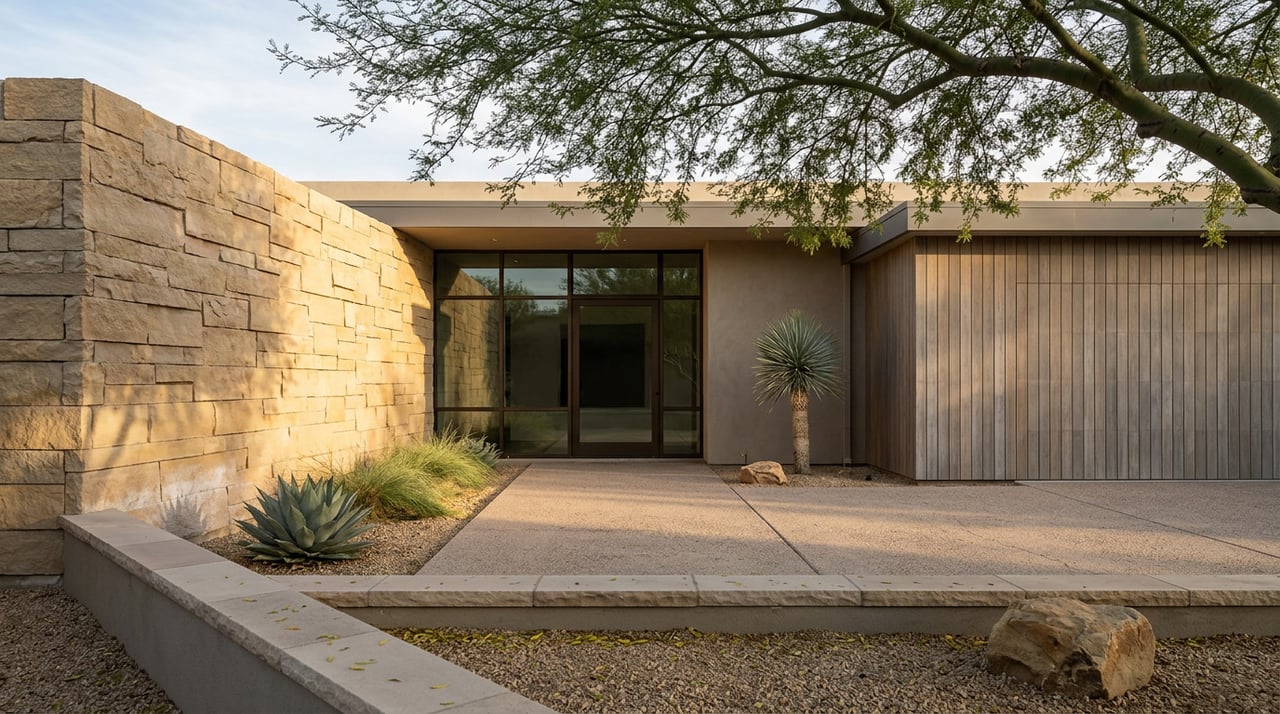
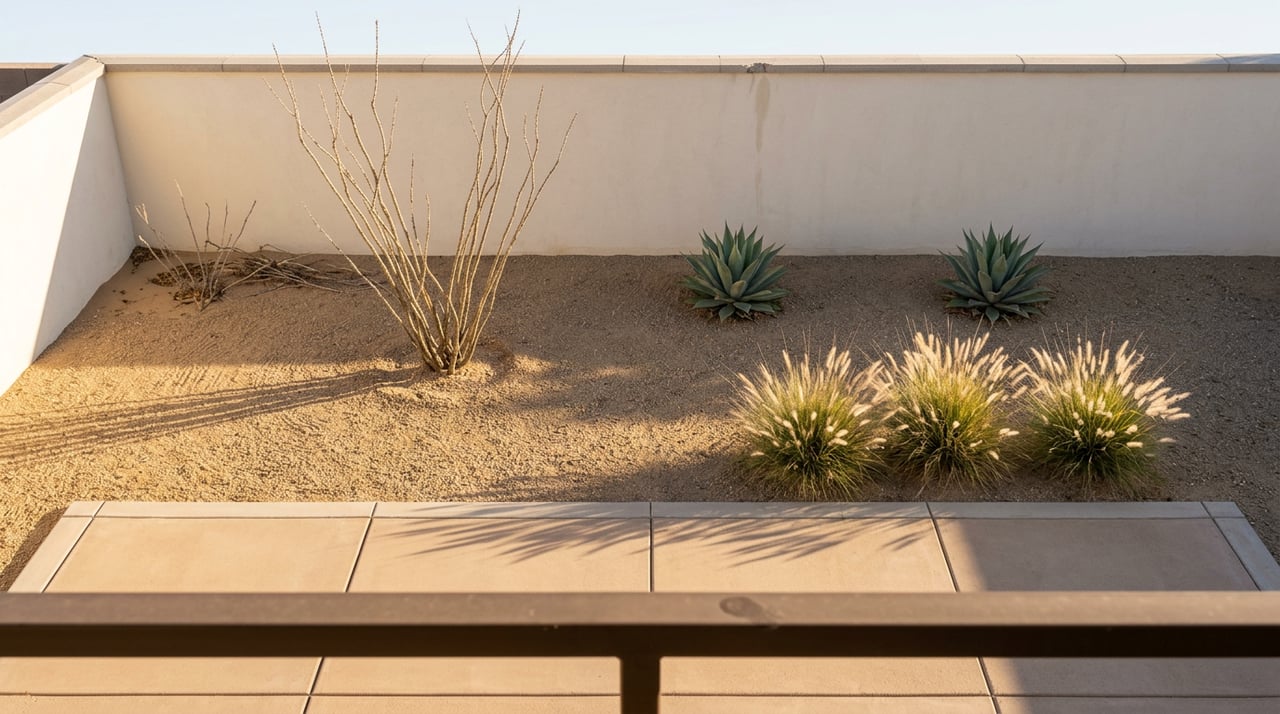
For many homeowners, the best strategy is a mix of hardscape, planting beds, and limited irrigation zones. This creates a clean look while keeping maintenance and water use more manageable.
Use climate-adapted plants
Utah State University’s water-wise plant list highlights species adapted to Utah’s arid climate and cold winters. Examples include:
- Desert willow
- Utah juniper
- Rabbitbrush
- Yarrow
- Firecracker penstemon
Santa Clara’s landscape standards also support using plants that are well adapted to the local climate. They encourage grouping plants with similar water needs into hydrozones, which can help make irrigation more efficient and easier to manage.
In practical terms, that means you may want one low-water zone for established shrubs, another for accent plants, and a separate zone for any area that needs more regular watering. That kind of layout supports both appearance and efficiency.
Balance hardscape and planting areas
Hardscape plays a big role in outdoor living here. Concrete pavers, stamped concrete, colored concrete, bark, and colored mulch can all help define usable spaces while cutting back on watering needs.
Santa Clara’s landscaping standards specifically allow hardscape materials that do not require watering. For parking strips, the code says it is preferable to keep hard surface to no more than 50% of the area, which points to a balanced approach instead of covering everything with solid material.
That same idea works well in front and back yards. You can combine walkways, patio space, and decorative gravel with planted sections to keep the yard softer and more visually appealing.
Ideas that work well in Santa Clara yards
Here are a few outdoor design ideas that fit local conditions:
- Paver patio with partial cover for dining and evening use
- Gravel and planting beds with low-water shrubs and flowering accents
- Raised planters placed near covered spaces for easier care
- Defined seating zones using concrete, pavers, or decomposed rock
- Mulched side-yard paths to connect gates, storage, and backyard spaces
These upgrades can help a yard feel more intentional without making it harder to maintain.
Plan privacy with code in mind
Privacy is important, but front-yard screening in Santa Clara is more regulated than some owners expect. The city generally limits front-setback fences on interior lots to 3 feet unless the fence is at least 50% open and set one foot behind the property line.
The city also protects driveway sight triangles, which means tall front-yard barriers may not be the best solution anyway. In many cases, privacy works better through layered landscaping, low walls, and thoughtful seating placement.
For example, you might create more privacy by:
- Positioning seating deeper into the yard
- Using planting beds to soften views
- Combining low walls with open fencing where allowed
- Screening side-yard gathering spaces instead of the front yard
Santa Clara also requires Planning Commission approval for some walls, fences, and hedges. That makes it especially important to verify what is allowed before you build.
Add pools or spas thoughtfully
A pool or hot tub can be a natural fit for Southern Utah living, especially during long summers. But placement matters just as much as the feature itself.
Santa Clara allows pools and hot tubs as permitted improvements that must comply with the International Swimming Pool and Spa Code. The city also notes that neighbor privacy should be considered when placing pool features.
That is worth keeping in mind if your lot is in a newer subdivision, sits on a corner, or backs close to neighboring homes. A smart layout can help protect privacy while still leaving room for shade, circulation, and landscaping.
Make irrigation more efficient
Even a low-water landscape needs a good watering plan. In Santa Clara, efficient irrigation is one of the biggest keys to keeping an outdoor space healthy without wasting water.
Washington County Water Conservancy District recommends deep, infrequent watering and a cycle-and-soak approach. Its seasonal guide suggests watering up to 1 day a week from November through February, up to 3 days a week in March and April and in September and October, and up to 4 days a week in May through August.
The district also recommends avoiding summer watering from 10 a.m. to 8 p.m. That schedule supports better water use and helps reduce the loss that comes from heat and evaporation.
Simple irrigation habits that help
If you want a lower-maintenance yard, focus on habits like these:
- Group plants by similar water needs
- Water deeply instead of lightly and often
- Adjust watering by season
- Avoid midday summer watering
- Review your system if some areas stay too wet or too dry
Santa Clara’s conservation plan also points residents to free county water audits. That can be helpful if your landscaping is established but your water use still feels high.
Think about resale as you improve your yard
Outdoor living upgrades can improve how a home feels day to day, but they also shape how buyers respond when it is time to sell. In Santa Clara, many buyers are looking for outdoor spaces that feel usable, attractive, and realistic to maintain.
A yard that offers shade, clean hardscaping, water-wise plants, and a clear layout often appeals to buyers who want the Southern Utah lifestyle without taking on a heavy maintenance burden. Features that look custom and well integrated with the home can also leave a stronger impression than piecemeal additions.
If you are planning updates with resale in mind, it helps to ask a few practical questions:
- Does the space feel comfortable in hot weather?
- Are the materials suited to local conditions?
- Is the landscaping water-wise and manageable?
- Do structures appear permanent and well matched to the home?
- Does the layout support privacy without creating code issues?
Those details can make a real difference in how polished your property feels.
The best outdoor spaces fit the home
The most successful Santa Clara outdoor areas are usually not the biggest or most expensive. They are the ones that make smart use of shade, climate-appropriate plants, hardscape, and efficient watering.
When your yard is designed around local conditions, it tends to be easier to enjoy and easier to maintain. That is a strong combination whether you are settling into your home, preparing for a future sale, or thinking about value-adding improvements.
If you want guidance on what outdoor features buyers notice in Santa Clara, or which improvements make sense for your property, Candy Morrison can help you think through your next steps with local, broker-led insight.
FAQs
What outdoor living features work best for Santa Clara homes?
- In Santa Clara, the most practical outdoor features usually include shade structures, water-wise landscaping, durable hardscape, and irrigation plans designed for desert conditions.
What plants are well suited to Santa Clara landscaping?
- Utah State University identifies water-wise plants adapted to Utah’s arid climate and cold winters, including desert willow, Utah juniper, rabbitbrush, yarrow, and firecracker penstemon.
What should Santa Clara homeowners know about patio covers and pergolas?
- In Santa Clara’s R-1-10 zone, awnings and patio covers require a building permit, and detached structures must also follow local rules for setbacks, size, and finish materials.
What are the watering guidelines for Santa Clara landscapes?
- Washington County Water Conservancy District recommends deep, infrequent watering, with seasonal schedules ranging from up to 1 day a week in winter to up to 4 days a week in summer, while avoiding watering from 10 a.m. to 8 p.m. during summer.
What privacy options make sense for Santa Clara front yards?
- Because front-yard fence height and placement are regulated in Santa Clara, privacy often works better through layered planting, low walls, and careful placement of seating areas rather than tall front barriers.