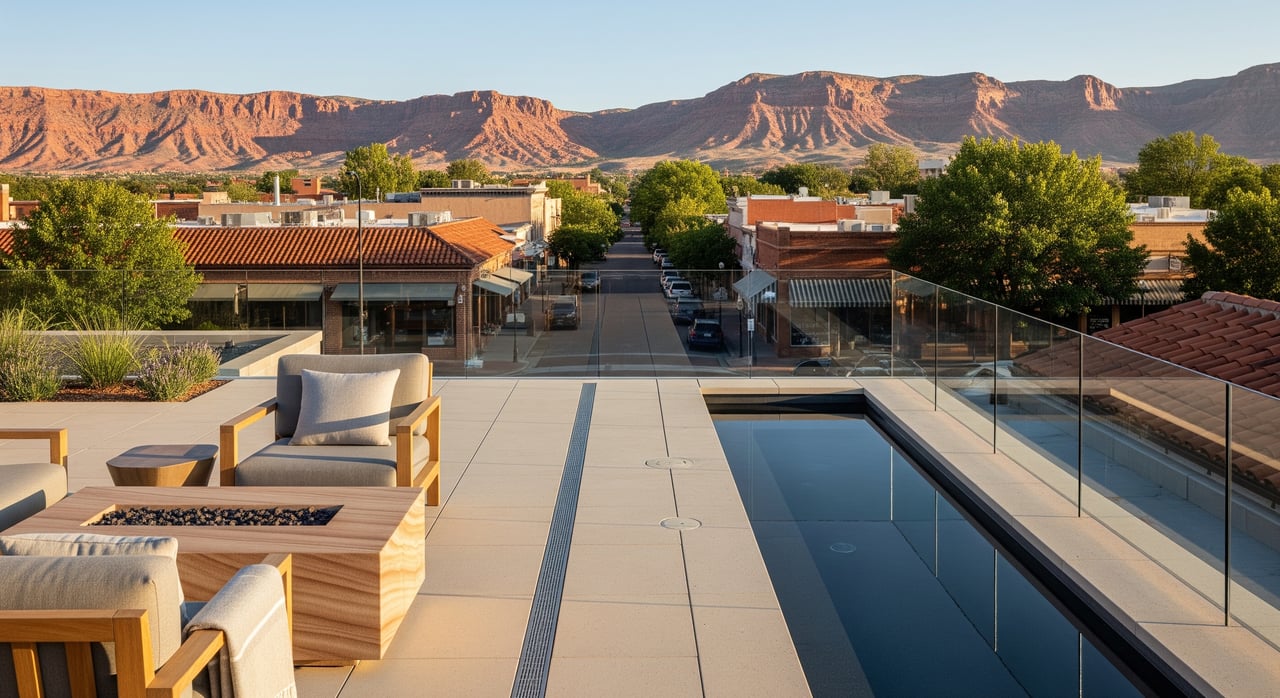
Thinking about living near downtown St. George? You probably want a place where you can walk to coffee, grab dinner without a long drive, and still be minutes from red-rock trails. You also want to know what day-to-day life feels like in a desert city that is growing fast. In this guide, you’ll get a clear picture of walkability, culture, outdoor access, housing types, and practical trade-offs so you can decide if it fits your lifestyle. Let’s dive in.
Where downtown fits in
Downtown St. George sits at the city’s historic core, centered around Main Street and landmarks like the St. George Tabernacle. The neighborhood feel is compact and approachable, with tree-lined streets and a mix of housing styles. You’re in Washington County in southwestern Utah, with Interstate 15 running through the metro and regional flights from St. George Regional Airport. The area’s desert climate means hot, sunny summers and mild winters, so plan for shade, water-wise landscaping, and reliable air conditioning.
Everyday convenience and walkability
Downtown is one of the most walkable parts of the city. You can cover most daily errands near Main Street on foot, including coffee shops, restaurants, galleries, and small services. For big-box shopping or large grocery runs, you’ll likely make a short drive to nearby commercial corridors. The trade-off is fewer large yards, but you gain a compact, connected neighborhood life.
Dining, shopping, and services
You’ll find a range of locally owned restaurants, cafes, and bakeries clustered along and around Main Street. Options span casual breakfast spots, bistros, and global flavors. Small retail and arts-focused boutiques give the area a distinct local character. For larger grocery stores, home improvement, and national retailers, expect a quick drive from the core.
Healthcare and civic services are close by. Regional clinics and hospital campuses serve the city, and you can access city hall, libraries, and community centers from downtown-adjacent neighborhoods. If you value short trips for everyday needs, this setup works well.
Arts, history, and community events
Downtown doubles as a cultural hub. Historic landmarks like the St. George Tabernacle and Brigham Young’s winter home and office anchor the area’s heritage. Local theaters, galleries, and community groups host events throughout the year, and regional venues such as Tuacahn Amphitheatre bring seasonal performances that draw visitors from across Southern Utah. Weekend farmers markets, races, arts festivals, and holiday celebrations add to the rhythm. The result is a steady flow of evening and weekend activity.
Parks and outdoor access
Living near downtown keeps you close to everyday green spaces and very close to iconic landscapes:
- Pioneer Park and local trails for quick red-rock views and short walks.
- Snow Canyon State Park for sandstone canyons, short hikes, and climbing just a short drive northwest.
- Red Cliffs Desert Reserve along the metro’s north and northeast edge for protected desert habitat and trail networks.
- Sand Hollow Reservoir and regional off-road areas within a comfortable drive for water sports and ATV recreation.
If you want both convenient in-town living and fast access to trails and scenery, downtown is a strong fit. You can meet friends for dinner and still catch sunset at a nearby overlook.
Getting around
Most residents use a car for errands and commuting beyond the core. St. George operates local transit services, including city buses and paratransit, with routes serving parts of the city. Downtown’s grid supports short bike rides and walks, though the broader metro remains car-oriented. For regional travel, I-15 connects you to neighboring cities and out-of-state trips, while St. George Regional Airport provides regional flights.
Schools, university, and healthcare basics
Downtown and nearby neighborhoods are served by the Washington County School District. Several elementary and middle schools serve the area, and high schools and higher-education assets are within the metro. Utah Tech University adds educational and cultural value citywide.
You also have regional healthcare providers and clinics in the city, with emergency and specialty care a short drive from the core. For safety, use recent city crime maps and St. George Police Department resources to review current data and neighborhood-level trends. As with many city centers, public spaces experience a range of activity levels that vary by time of day and event schedule.
Housing near downtown: what you’ll find
Housing near downtown comes in a variety of types and ages, often on smaller lots than suburban areas:
- Older single-family homes, including historic cottages, bungalows, and mid-century properties near the core.
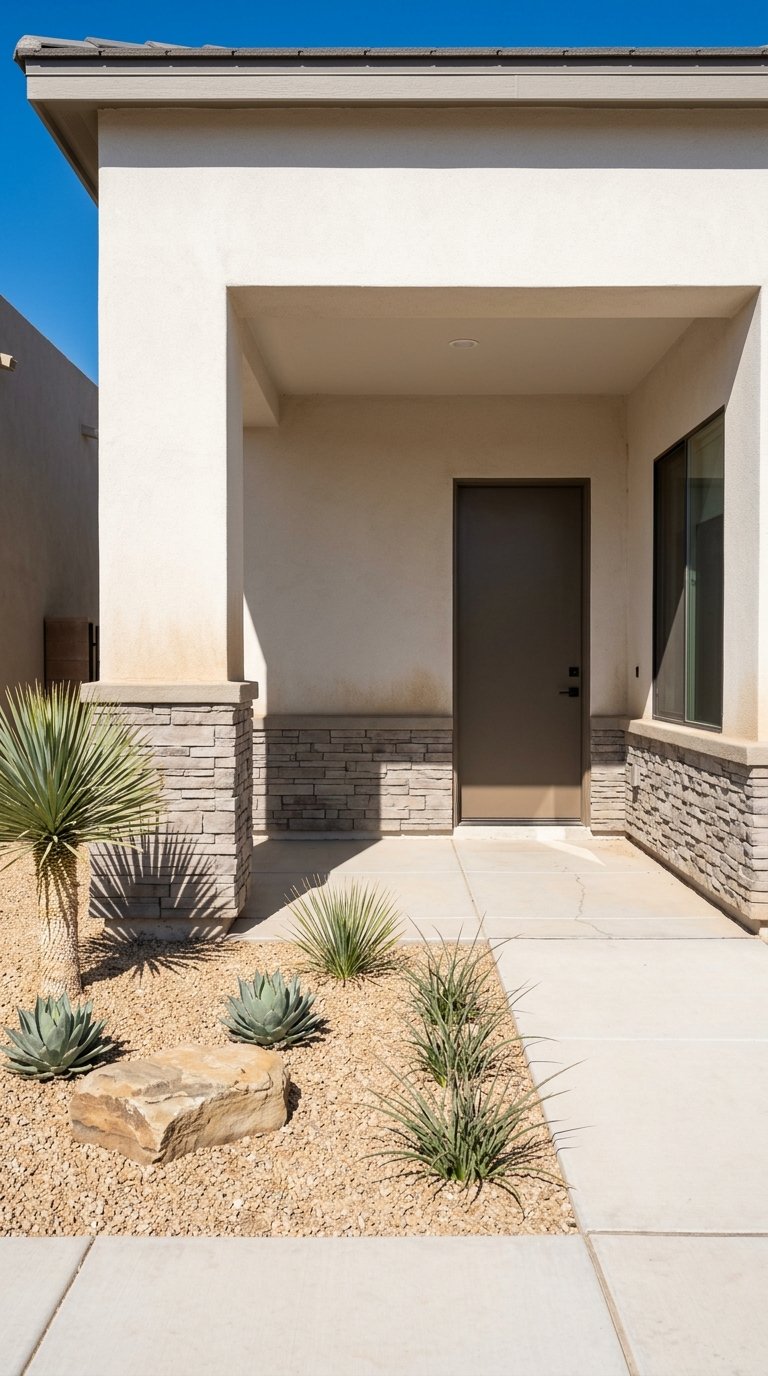
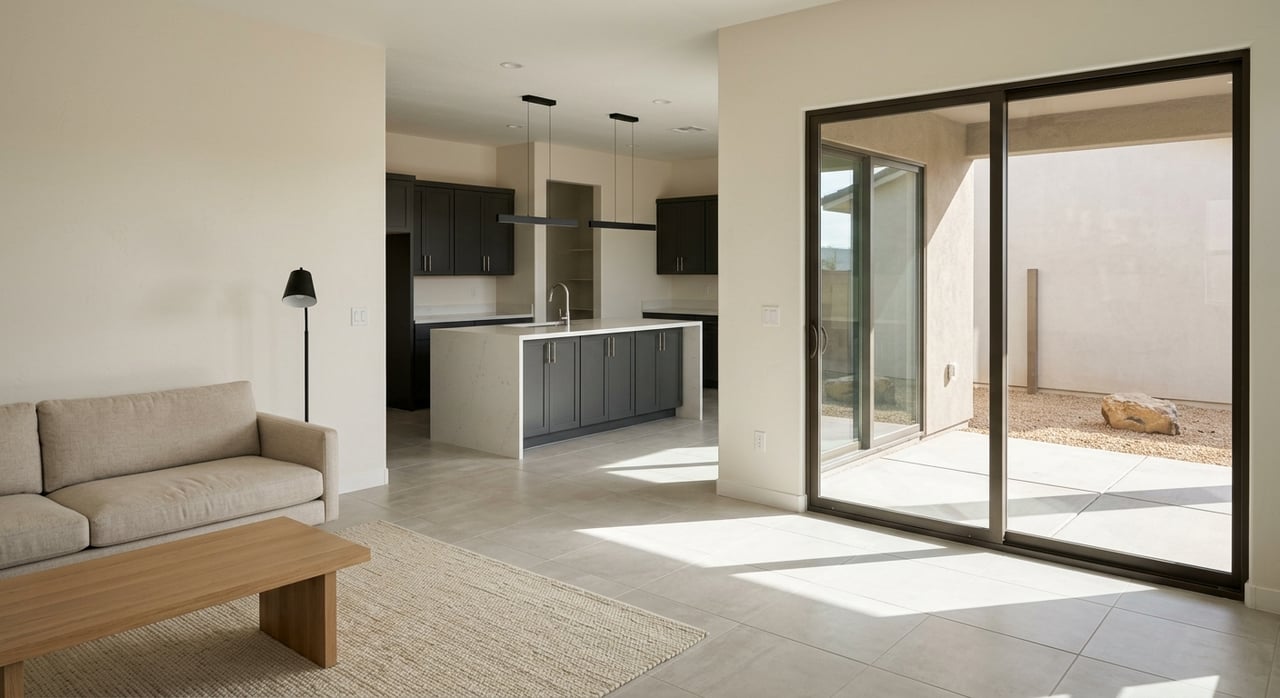
- Newer infill townhomes and small condo projects built on vacant lots or replacing older structures.
- Small to medium apartment buildings and rental options for students, seasonal residents, and professionals.
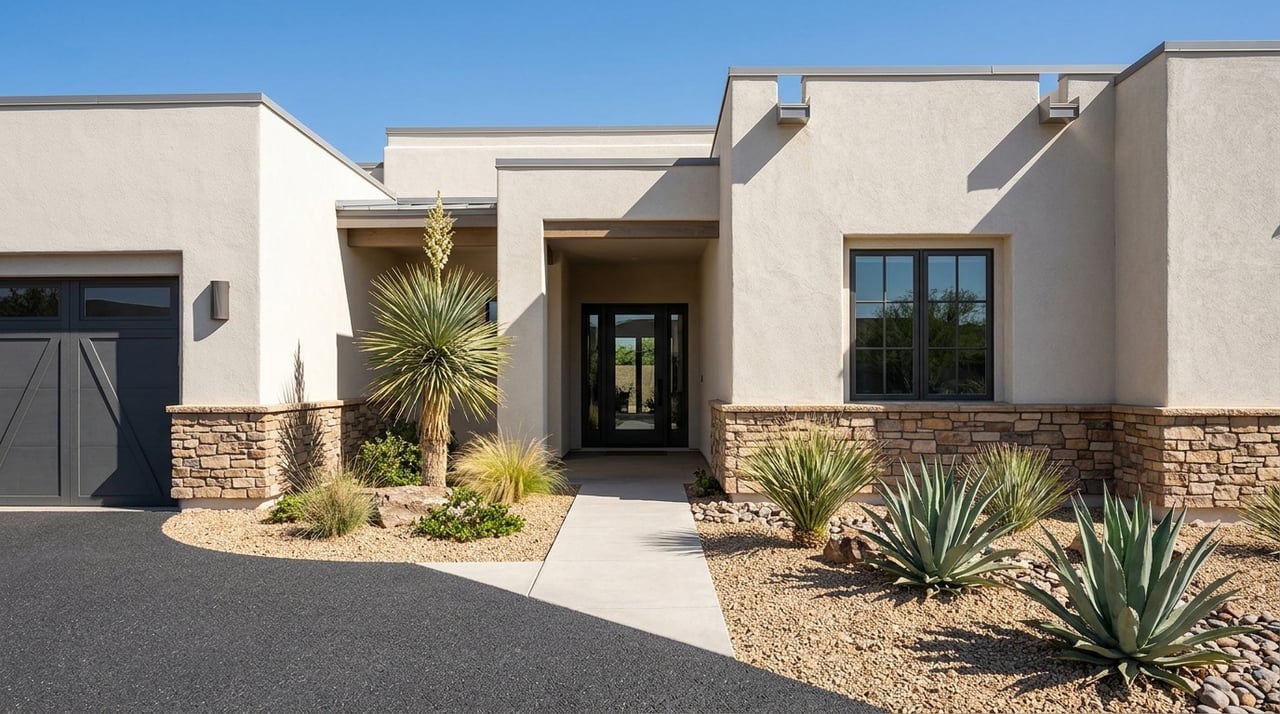
- Higher-end and custom homes on nearby bluffs and in adjacent neighborhoods, often oriented to views.
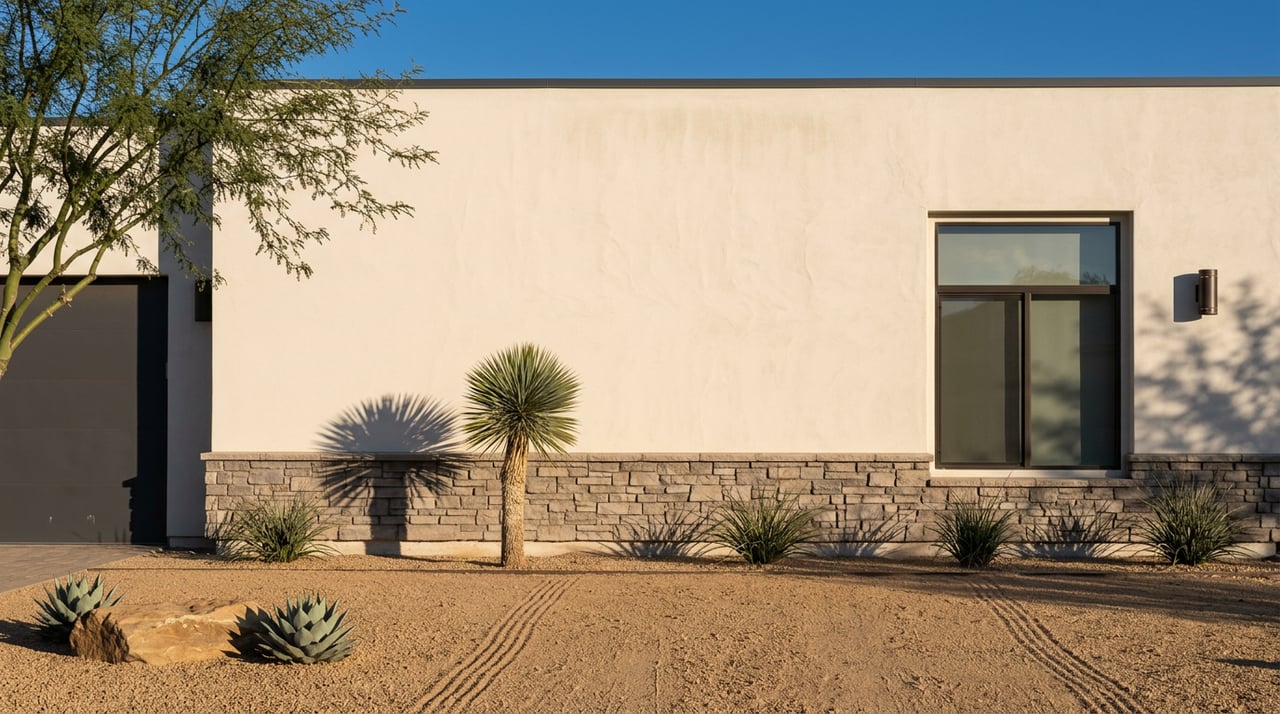
If you prefer a large lot with extensive private outdoor space, you’ll likely look just beyond the historic core. If you prioritize character, proximity to amenities, and a low-maintenance yard, the downtown area may be ideal.
Market dynamics to expect
Downtown inventory is often limited because the core has fewer single-family homes than suburban subdivisions. You’ll see a mix of price points, from more modest older homes to renovated properties and newer infill units at higher prices. The broader metro has felt the influence of sustained population growth and an outdoor-oriented lifestyle, which supports demand across both for-sale and rental markets. Rental demand near dining, transit, and university assets can be strong.
If you’re buying, plan for competition on well-located listings and be ready to move quickly when the right home hits the market. If you’re renting or investing, weigh proximity to amenities and transportation, since these shape desirability and occupancy.
Practical buying and selling tips
If you’re planning to buy or renovate near the historic core, a few practical checks can save time:
- Historic overlays and design review. Some homes may fall under preservation guidelines. Review city planning and historic preservation rules before you change exteriors or add square footage.
- Parking and access. Older streets and homes may have limited off-street parking. If you need space for multiple vehicles or frequent guests, confirm capacity during busy times.
- Lot and yard size. Smaller lots are common downtown. If outdoor space is a priority, consider adjacent neighborhoods where larger yards are more common.
- Renovation due diligence. For older homes, budget for systems updates and permits. Infill townhomes and newer condos may reduce maintenance and simplify ownership.
A focused search with clear priorities helps you act decisively. A thorough review of zoning, overlays, and parking norms protects your plans and your budget.
Pros and cons at a glance
Here is a quick summary to help you evaluate fit:
Advantages
- Short walks to restaurants, coffee, galleries, and civic services.
- Frequent community events and a lively cultural calendar.
- Fast access to trails, parks, and regional outdoor destinations.
- Compact neighborhood feel with historic character.
Trade-offs
- Smaller lots and older housing stock in parts of the core.
- Parking can be tight on narrow streets and during events.
- More foot and vehicle traffic during peak seasons and festivals.
- Fewer new-build options within the historic grid; more new construction lies outside the core.
Who downtown living fits
Living near downtown St. George is a strong match if you want to walk to dinner, attend local events, and keep your outdoor day trips short. It tends to suit professionals, downsizers, students, and anyone who values convenience over a large yard. If you need extensive private outdoor space, rural quiet, or a strictly car-first lifestyle, you may prefer outlying neighborhoods.
How River Creek Realty helps
You deserve a local advisor who understands downtown’s nuances, from historic overlays to inventory patterns and the best pockets for quiet streets. River Creek Realty is a boutique, broker-led firm with end-to-end services across buying, selling, leasing, and property management in Washington County. You work directly with the Principal Broker for senior-level negotiation, local insight, and responsive communication.
Whether you are relocating, downsizing, or investing, we help you pinpoint the right streets, compare housing types, and map out next steps with clear timelines. Ready to explore homes near downtown St. George or confirm your home’s value? Reach out to Candy Morrison to learn more or request your free home valuation.
FAQs
What is daily life like near downtown St. George?
- Expect a compact, walkable core with local dining, galleries, small shops, and easy access to city services, plus short drives to larger retailers and outdoor recreation.
How walkable is downtown St. George for errands?
- You can walk to many restaurants, cafes, galleries, and services around Main Street, though you’ll likely drive a few minutes for big-box shopping or large grocery runs.
What outdoor areas are close to downtown St. George?
- Pioneer Park and local trails are minutes away, with Snow Canyon State Park and Red Cliffs Desert Reserve a short drive, and Sand Hollow Reservoir within the broader region.
What types of homes are near downtown St. George?
- You’ll find historic cottages, bungalows, mid-century homes, newer infill townhomes and condos, small apartment buildings, and higher-end homes on nearby bluffs.
Are there historic or renovation rules in the downtown area?
- Some homes in the historic district may be subject to preservation guidelines and design review, so check city planning rules before exterior changes or additions.
Is parking difficult near downtown during events?
- Parking can be tight on narrow streets and during busy events, so confirm off-street options and guest capacity if you own multiple vehicles or host often.
What transportation options serve downtown St. George?
- Driving is common citywide, with local bus services serving parts of the city, a compact street grid for short bike and walk trips, I-15 for regional access, and a regional airport.