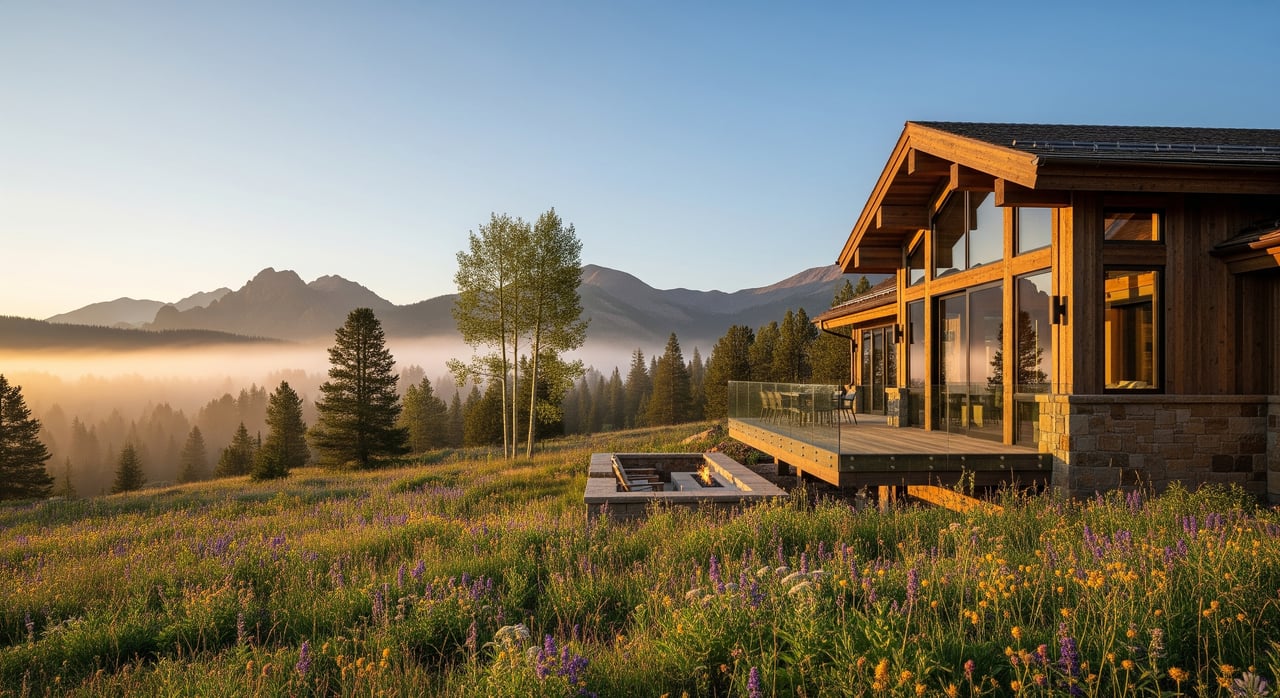
Picture yourself stepping out onto a pine-scented morning, the air crisp and clear, with views that stretch across Cedar Mountain. Life at 8,500 feet has a way of slowing you down in all the right ways. It also asks you to plan ahead, respect the weather, and understand high-altitude living. In this guide, you’ll learn what to expect in Duck Creek Village, how to prepare your home and vehicles, and how to settle in with confidence. Let’s dive in.
What makes Duck Creek unique
Duck Creek Village sits on Cedar Mountain in Kane County, tucked beside Dixie National Forest and not far from Cedar Breaks National Monument. The community has lodge-style homes and cabins, with a mix of second homes and year-round residents. Properties are often forested and spread out, so you can expect privacy and quiet.
The setting is alpine, which comes with real benefits and real logistics. You get cool summers, snowy winters, and four true seasons. You also get limited local services and longer drives to full-service towns. That tradeoff is part of the charm for many residents.
Getting there and getting around
State Route 14 is your main paved route up and down the mountain. It is a beautiful drive with mountain switchbacks and regular winter maintenance. During storms, chain or traction requirements can be posted, and travel can slow or pause. Before you go, check UDOT road conditions for SR-14 for current closures and advisories.
Secondary roads can be narrow and lined with trees. Plowing on these roads may lag behind main routes in heavy snow. Build extra time into travel plans and keep an eye on holiday and summer weekends when visitor traffic increases.
Climate and seasons at a glance
Duck Creek has cool summers and long, snowy winters. Weather shifts quickly at altitude, and days can feel warm while nights dip cool, even in July.
- Winter (Nov to Mar/Apr): Expect heavy snow, subfreezing temps, and shorter days. Homes need to be winterized. Plan for snow removal, 4WD or AWD, and chains or winter tires in severe conditions.
- Spring (Apr to Jun): Melting snow brings mud and variable weather. Late snow is possible.
- Summer (Jun to Sep): Days feel pleasant and nights stay cool. The sun is strong, and afternoon thunderstorms can pop up.
- Fall (Sep to Nov): Temperatures drop fast, leaves put on a show, and early snow can arrive.
High-altitude living basics
At about 8,500 feet, oxygen availability is roughly a quarter less than at sea level. Most healthy people acclimate within a few days, but you should still plan for a slower start when you arrive.
How your body adjusts
Common short-term effects include headache, restless sleep, shortness of breath with exertion, fatigue, and mild nausea. These usually improve after 24 to 72 hours. Prevent issues by taking it easy for the first couple of days, staying well hydrated, and avoiding alcohol and heavy meals at the start. If you have heart or lung disease, are pregnant, or have other chronic conditions, talk with your doctor before relocating. For sensitive individuals, a clinician may discuss preventative medication. For a deeper overview, review the CDC’s high-altitude travel guidance.
Sun, cooking, and indoor comfort
UV exposure increases with elevation. Use high-SPF sunscreen, protective clothing, and sunglasses. You can track UV risk using the EPA’s UV Index guidance. Also note that water boils at a lower temperature at altitude, so soups and stews take longer to cook, and baked goods may need recipe tweaks. Indoor air tends to be dry as well. A humidifier and regular hydration help you feel better day to day.
Home setup and utilities
Mountain properties function a bit differently than suburban homes. A few checks upfront will save you time and money later.
Water and septic
Many homes use private wells and septic systems or small community systems. Before you buy, verify the water source, well depth if applicable, and septic maintenance records. Confirm any water rights and understand how the system is serviced.
Heat and power
Heating fuels commonly include propane, wood or wood pellets, and electric heat. Make sure systems are sized for long, cold seasons and schedule routine service. If you have a fireplace or stove, keep chimneys and venting clean. Storms can cause outages, so many residents keep backup generators and basic emergency supplies on hand.
Internet and phone
Broadband can vary by location. Options may include DSL, fixed wireless, or satellite. Address-level checks are best. Start with the FCC’s national broadband map to see listed providers and reported speeds for a specific property.
Winter prep and vehicles
A reliable vehicle setup is essential. 4WD or AWD is strongly recommended. Use winter tires and carry chains in severe conditions. Cold reduces battery performance, so keep your vehicle properly winterized.
Plan snow removal ahead of time. You can set up a seasonal plow contract or invest in a snowblower and shovels. Think beyond the driveway. Roof snow load and ice dams matter at this elevation. Have a plan to manage roof snow and keep gutters clear to protect the structure.
Your winter emergency kit should include warm layers, blankets, water, shelf-stable food, necessary medications, a flashlight, and a safe way to heat a small area if the power goes out. Keep a kit in your vehicle too.
Wildfire, insurance, and safety
Duck Creek’s forest setting is part of the appeal, and it also creates seasonal wildfire risk. Create defensible space by clearing brush and maintaining vegetation around structures. Review evacuation routes and sign up for county alerts. For household preparedness, the FEMA Ready guide to wildfires outlines practical steps to harden your home and prepare a simple plan.
Follow current fire restrictions from the U.S. Forest Service and Utah state agencies during dry periods. Restrictions change through the season, so check the Dixie National Forest updates before burning or using outdoor fire features.
Insurance can be affected by wildfire risk, snow load, and access conditions. Ask your insurer about coverage specifics for mountain environments and confirm any special requirements, such as defensible-space maintenance.
Health care, schools, and services
Rural mountain communities often have longer emergency response times and fewer nearby clinics. Identify the nearest urgent care and hospital settings and learn typical drive times in winter and summer. Keep a written list of contacts and a paper map in case cell service is limited.
If you have school-age children, confirm district boundaries, bus routes, and winter weather schedules directly with the local district. Mail and parcel delivery can differ from urban systems, and pickup at community boxes or delivery points is common. Local retail choices are limited, so plan on stocking up and making periodic trips to larger towns for groceries and specialty services.
Recreation and community life
Living beside national forest land gives you year-round access to the outdoors. You can enjoy hiking, mountain biking, fishing, birding, cross-country skiing, and snowmobiling right from the region. Learn trail rules, seasonal closures, and wildlife tips from Dixie National Forest. For awe-inspiring vistas and seasonal programs, visit Cedar Breaks National Monument.
Summer often brings afternoon thunderstorms. Plan hikes early and carry layers, a rain shell, and water. Review National Weather Service thunderstorm safety tips to help you read the sky and adjust plans quickly.
Community life blends long-time residents, second-home owners, and vacationers. Events and services are seasonal and small scale. Volunteer groups, including fire departments and neighborhood associations, often play an important role.
Ready-to-move checklist
Use this quick list to stay organized as you prepare for mountain living.
Health and acclimation
- Take it easy the first 48 to 72 hours.
- Hydrate, rest, and avoid heavy exertion early on.
- If you have heart or lung disease, are pregnant, or have other chronic conditions, talk with your clinician before the move. Review CDC high-altitude guidance.
Home and utilities
- Confirm water source and septic maintenance history.
- Verify heating system, fuel type, and delivery logistics.
- Inspect roof, insulation, and pipe sealing for snow load and freeze protection.
- Consider a generator and essential supplies for outages.
Transportation and supplies
- Winterize vehicles and keep chains, a shovel, and an emergency kit.
- Set up driveway plowing or secure your own snow removal tools.
- Stock pantry items and medications for multi-day storms.
- Check UDOT conditions before mountain drives.
Safety and preparedness
- Create defensible space for wildfire season. See FEMA wildfire steps.
- Know your nearest emergency services and typical drive routes.
- Keep a paper map for times when cell or GPS is unreliable.
Daily living
- Pack sun protection for high UV and warm layers for cool nights.
- Expect slower travel for groceries, medical care, and errands.
- Confirm internet options using the FCC broadband map.
Final thoughts
Duck Creek Village offers a rare blend of alpine quiet and four-season adventure. With the right prep, you can enjoy cool summers, cozy winters, and a strong connection to nature. Focus on altitude readiness, winter planning, home systems, and safety. You will feel the difference as your routine settles in and the mountain starts to feel like home.
If you are considering a home purchase or a second-home investment in Southern Utah’s mountain communities, you deserve personal guidance from a local expert who understands both lifestyle and logistics. Start a conversation with Unknown Company to explore properties, walk through utilities and seasonal considerations, and build a plan that fits your goals.
FAQs
What should I know about SR-14 winter driving to Duck Creek Village?
- SR-14 is a mountain highway with switchbacks. Winter storms can bring chain or traction requirements and temporary closures. Check UDOT road conditions before traveling.
How long does it take to acclimate to 8,500 feet in Duck Creek?
- Most healthy people adjust in a few days. Expect short-term symptoms like mild headache, poor sleep, and fatigue. Follow CDC altitude guidance for prevention tips.
What heating systems work best for a high-elevation cabin?
- Common options include propane, wood or wood pellets, and electric heat. Ensure your system is sized for long, cold seasons and keep chimneys and vents clean for safety.
Is high-speed internet available in all parts of Duck Creek Village?
- Service varies by address. Check the FCC broadband map to see listed providers and reported speeds for a specific location.
How do I prepare my property for wildfire season in a forested area?
- Create defensible space, follow seasonal fire restrictions from the U.S. Forest Service, and review the FEMA Ready guide to wildfires for home hardening and evacuation planning.
What outdoor activities are close to Duck Creek Village?
- You are next to Dixie National Forest for hiking, biking, fishing, and winter sports, and near Cedar Breaks National Monument for breathtaking overlooks and seasonal programs.