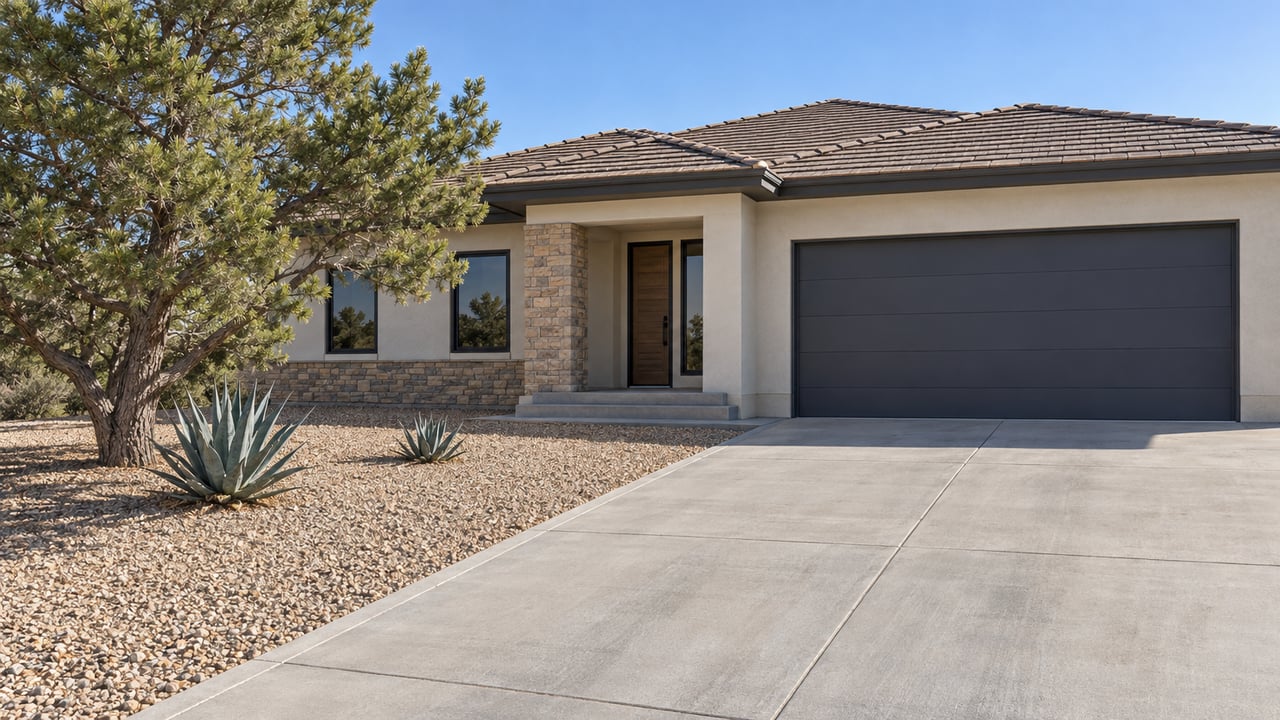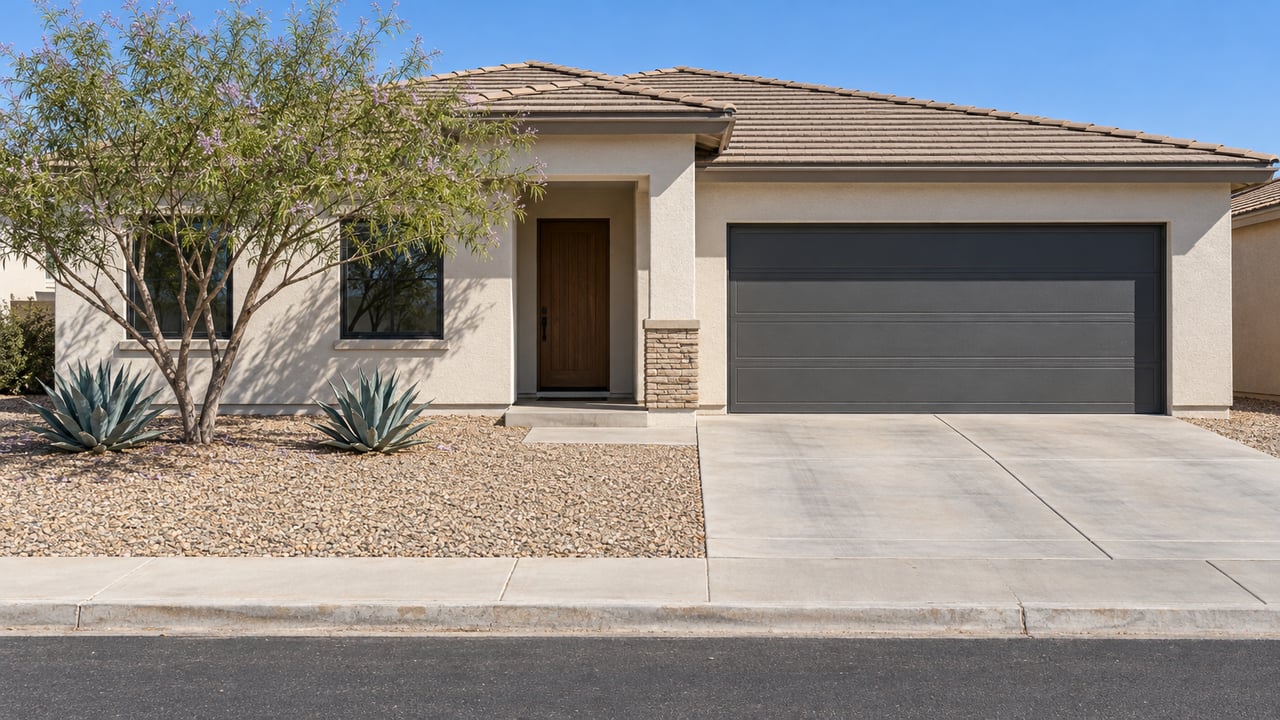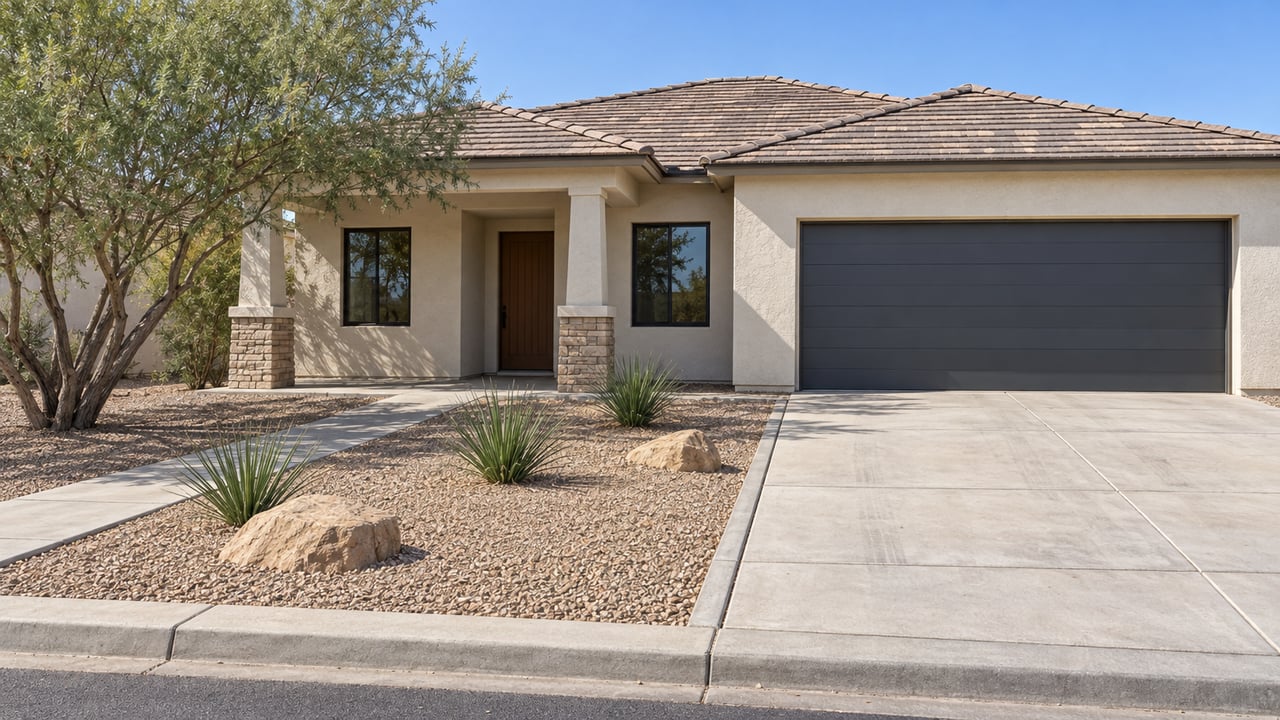
Thinking about turning a Hurricane property into a short-term rental? You are not alone. The area draws strong visitor demand, but local rules matter as much as market appeal. In this guide, you will learn how to confirm where STRs are allowed, what permits and taxes to expect, how HOAs fit in, and what enforcement looks like. You will also get a simple checklist to use before you buy or list. Let’s dive in.
Where STRs are allowed in Hurricane
Short-term rentals are a land-use issue. Whether you can legally operate often depends on the property’s zoning district and any specific city rules for transient lodging. Some zones may allow STRs outright, others may require special approval, and some may prohibit them.
Many cities also set conditions like occupancy limits, parking standards, or whether the owner must live on-site. You should confirm if Hurricane has any owner-occupancy or density limits, minimum-stay rules, or caps by block or building.
How to confirm zoning for an address
- Find the property’s parcel number and zoning designation on the city’s zoning map.
- Read the permitted uses table in the municipal code for that zone to see how STRs are treated.
- Look up any specific sections labeled short-term rental, transient lodging, or vacation rental.
- Call the Hurricane Planning Department to confirm your interpretation and ask about any pending amendments.
Permits, licenses, and taxes
Most Utah cities require some combination of local registration and state tax compliance to operate an STR. Plan for the following, then verify each step with Hurricane City and Utah state agencies:
- City short-term rental registration or permit. Expect to provide a site plan, parking plan, owner and local contact info, and proof of insurance. Some cities inspect for safety items before approval.
- Local business license. Ask whether a standard business license is also required in addition to an STR permit.
- State and local taxes. Hosts typically collect and remit state sales tax and transient room taxes. Register and confirm filing frequency and rates with the Utah State Tax Commission and any local tax authority.
- Ongoing compliance. Keep your permit renewed, display any required contact information on-site, and follow occupancy and parking limits.
Typical application documents
- Government ID and proof of ownership
- Site and parking plan with maximum occupancy noted
- 24/7 emergency or local contact details
- Certificate of insurance showing STR coverage
- Safety checklist or inspection sign-off (if required)
- Application form and fee
Safety and operations basics
Cities commonly require a few core safety and neighborhood standards. Plan to provide and maintain:
- Working smoke and carbon monoxide alarms
- Fire extinguisher in an accessible location
- Clear egress and basic emergency instructions for guests
- A trash and parking plan that respects neighborhood norms
- Posted local contact information for emergencies and complaints
HOA and CC&R rules
City permission does not override private rules. An HOA’s covenants, conditions, and restrictions can prohibit STRs or set stricter standards like minimum stay lengths, required managers, or guest registration. HOA enforcement can also be faster and more costly if you violate the rules.
Ask for all governing documents before you buy or convert a property. Then ask the manager or board:
- Is short-term rental activity allowed today, and are any changes being considered?
- Are there minimum stays, guest caps, or parking limits?
- Do you require owner presence, a local manager, or proof of insurance naming the HOA?
- How are violations handled, and what are the fines?
Enforcement basics in Hurricane
Most cities use a complaint-driven process. Here is a common sequence so you know what to expect if an issue arises:
- Complaint. A neighbor reports noise, trash, over-occupancy, or illegal operation.
- City contact. Code enforcement investigates and may inspect or request documents.
- Warning or notice. You may receive a written warning or a notice to correct.
- Fines. Continued violations can lead to administrative fines, often escalating per day or per incident.
- Hearings and appeals. You can usually request a hearing or appeal decisions within set timelines.
- Suspension or revocation. Repeat or serious violations may result in permit suspension or revocation.
Confirm the current process, fine schedule, and appeal timelines with Hurricane City.
Investor checklist and timeline
Use this checklist before buying or listing a short-term rental in Hurricane:
- Confirm zoning for the exact parcel and how STRs are treated in that zone.
- Locate the municipal code section governing short-term or transient rentals.
- Verify required city permits and business licensing, including renewal cycles and fees.
- Register with the Utah State Tax Commission for sales and transient room taxes; confirm filing frequency and any local components.
- Review CC&Rs and any HOA rental policy in writing; ask about current enforcement and proposed rule changes.
- Confirm life-safety standards and whether inspections are required.
- Draft an operations plan for occupancy, parking, trash, quiet hours, and emergency contacts.
- Review insurance coverage for STR use and any additional insured requirements.
- Build a pro forma that includes taxes, fees, HOA dues, utilities, cleaning, maintenance, and management.
- Check local market seasonality and norms with property managers who operate STRs in Hurricane.
- Save contact details for planning, code enforcement, and any local tax office.
Suggested timeline:
- Due diligence: 2 to 4 weeks (zoning, HOA, taxes, and insurance)
- Permitting and licensing: ranges from days to months depending on inspections and completeness
- Setup and compliance: 1 to 3 weeks (safety upgrades, documents, signage)
- Go live: Only after permits and tax registrations are in place
Where to verify details
For current requirements and forms, contact these authorities directly:
- Hurricane City Planning Department for zoning, permit applicability, and inspections
- Hurricane City Recorder or City Clerk for business licensing and code access
- Utah State Tax Commission for sales tax and transient room tax registration and filings
- Washington County or city staff for any local transient room tax administration and filing support
- Your HOA or management company for CC&Rs, rental policies, and enforcement procedures
Partner with a local expert
You do not have to figure this out alone. If you want help matching your investment goals to neighborhoods and property types that align with local rules, or you want hands-on property management once you are permitted, reach out. Connect with Candy Morrison for a practical plan tailored to your Hurricane STR.
FAQs
Can I operate a short-term rental anywhere in Hurricane?
- Not always. It depends on the property’s zoning and any specific city rules for transient lodging, so confirm zoning and permitted uses for the exact parcel.
What permits do I need to run an STR in Hurricane?
- You will likely need a city STR registration or permit, a local business license, and state tax registration for sales and transient room taxes. Verify names, fees, and renewals with the city and state.
Does Hurricane require an on-site owner or local contact for STRs?
- Some cities require a local emergency contact or owner occupancy under certain conditions. Ask the planning department what applies to your address.
Do HOA rules override city permission to operate an STR?
- Yes. Private CC&Rs can prohibit or restrict short-term rentals even if the city allows them, and HOAs can enforce their rules independently.
What penalties could I face for violating STR rules in Hurricane?
- Expect warning notices, administrative fines that can escalate for repeat issues, and possible permit suspension or revocation. Confirm the current enforcement process and appeal options with the city.
Who should I contact to verify Hurricane STR requirements?
- Start with the Hurricane Planning Department and City Clerk for zoning and licensing, and the Utah State Tax Commission for transient room and sales tax registration and filings.